7th May, 14h-14h45 (CEST): pinfa?s 2nd sparks webinar, with Nacho Montesinos Beltr?n, chemical recycling, AIMPLAS
US Society of Plastics Engineers National Week of Flame Retardants with pinfa-NA: 12 online sessions.
pinfa submitted evidence and input to EU surveys to prepare Guidance on Fire Safety in building renovation & electrification.
Georg Streck, European Commission DG GROW F1 (REACH), updated pinfa on regulatory developments for flame retardants
Mr. Streck presented the EU Brominated Flame Retardant Substitution Centre (HEFESTOS)
ISO 1043 part 4 has been updated defining more precise code numbers for nitrogen and organo-phosphorus FRs
TCPP (tris(chloropropyl) phosphate), a halogenated FR, has been classed probably carcinogenic to humans (Group 2A)
UK Government public consultations on safety of construction productions open to 20th May.
Open to 25th May. ECHA consultation on the SEAC Opinion on proposed EU restrictions on PFAS chemicals
Fourth consultation is open to 23rd June with significant changes proposed but furniture fire regulations maintained.
Open to 23rd June. Two public consultations on UK product safety regulations, and on related surveillance & enforcement.
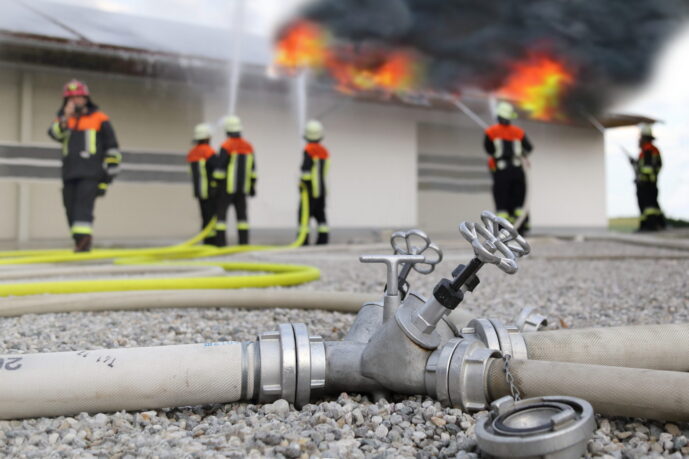
All 750 customers escaped safely from a fire at the K Club discotheque, Kehl, Germany, 29th March
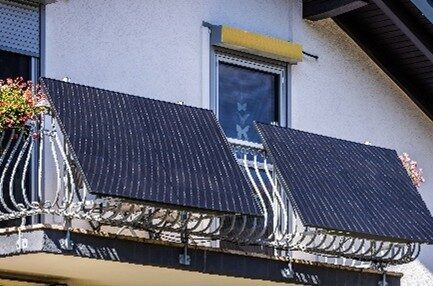
Science review concludes that flame retardants are the most promising approach for photovoltaic panel fire safety
Flame-retardant coatings show significant reduction of fire risk for BIPV (Building Integrated Photovoltaics).
Emissions from fires in photovoltaic (PV) panels are estimated to be 100x lower than those from PV panel manufacture.
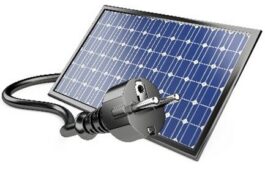
Fire safety expert concerns on UK Government proposals to facilitate plug-in self-install solar panels or batteries.
pinfa member Flamaway ? CTF 2000 is part of the Belgium BBBC project FONT for SSbD PIN flame retardants for textiles.
Data on mechanisms, effectiveness and properties of additive and reactive PIN FRs are analysed from 140 publications.
Lab study of DOPO-functionalised biobased muconic acid as a reactive phosphorus PIN flame retardant for polyamide-66.
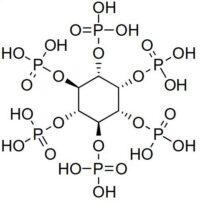
The biological phosphorus molecule, phytic acid, was reacted with a N-Si cation to produce a PIN FR coating for wood.