Fire tests show benefits of FRs in PV panels
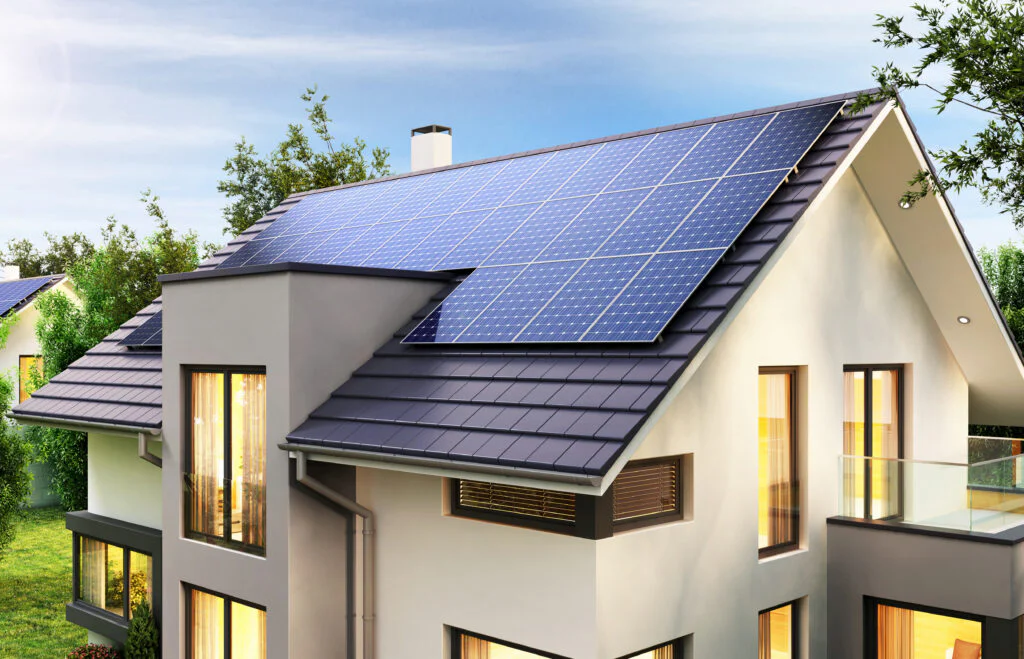
Flame-retardant coatings show significant reduction of fire risk for BIPV (Building Integrated Photovoltaics). 100 mm square mock PV panels were cone calorimeter tested. The panels consisted of a glass covering sheet, solar cell, front and back sheets of EVA (ethylene vinyl acetate) and a PET back sheet (polyethylene terephthalate). These were tested with and without two flame-retardant coatings (urethane and epoxy based intumescents): back or front coatings of one or the other or both treatments. The FR coatings reduced peak heat release rate by a factor of 2 to 10. The epoxy coating alone significantly reduced total smoke release (TSR), whereas the urethane coating increased it (in all cases, the coatings increased the amount of combustible polymer material). The study concludes that both types of intumescent coating effectively reduce fire risk of the photovoltaic panels.
“Quantitative assessment of fire risk in building-integrated photovoltaic (BIPV) modules coated with fire retardant materials for enhanced fire resistance performance”, H-K Park et al., Case Studies in Thermal Engineering 72, 2025, 106285 https://doi.org/10.1016/j.csite.2025.106285