pinfa launches a new series of free, public webinars with European experts on materials fire safety and flame retardants.
Thursday 5th February 14h ? 14h45 CET (Brussels): challenges and solutions for recycling for high-value PIN FR materials.
Wed. 18th February 11:30 ? 12:30 EST (USA) = 17h30-18h30 CET (Brussels). Fire Protection of Materials for EV Batteries
Eight one-minute Interviews of pinfa member company flame retardant experts present the benefits of PIN fire safety.
The pinfa China seminar, Shenzen, 12th Decebmer 2025, brought together experts 80+ experts and attendees
Recent incidents show that fire safe materials in aircraft are protecting lives.
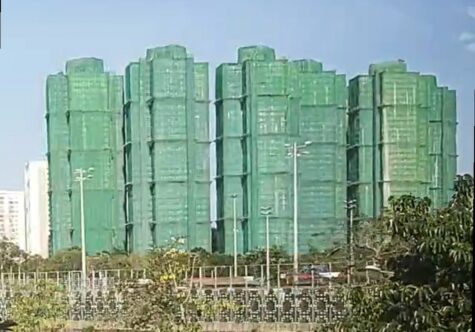
Flame retardant netting is being distributed to construction firms for over 400 building sites in Hong Kong
China?s Interior Ministry has ordered inspection of a million high-rise buildings following the Hong Kong Wang Fuk fire
Open to 10th April 2026. Scottish Government consultation to review building fire safety regulations
Amongst updates to AMST standards underway: blooming of brominated FRs, FRs in dust, definition of ?non-combustible?.
Research report for UK Government will input to possible regulation of smoke toxicity from construction products.
Research following the Grenfell Inquiry compares smoke toxicity from building contents to construction materials.
Heat barrier effect of tannic acid ? ammonium polyphosphate (APP) intumescent increases with porosity and char.
Kraiburg?s new non-halogenated FR compounds for TPE?s: material performance, rail standard EN 45545-2 compliance.
CAI Performance Additives has launched a high-efficiency MCA grade designed to enable considerably lower loadings in polyamides.
Kafrits non-halogenated flame-retardant polypropylene (HFFR PP) is ChemSec Market Place silver listed
Novel PIN FR in TPU combined fire performance with photoluminescence, transparency, mechanical performance
Phosphorus molybdenum sulphur PIN FR in 3mm epoxy between pouch cells prevents battery thermal runaway. Phosphorylated MoS2 nanowires (0.85% P) were dosed at 3% in epoxy.