by mcwebmaster | Nov 17, 2022
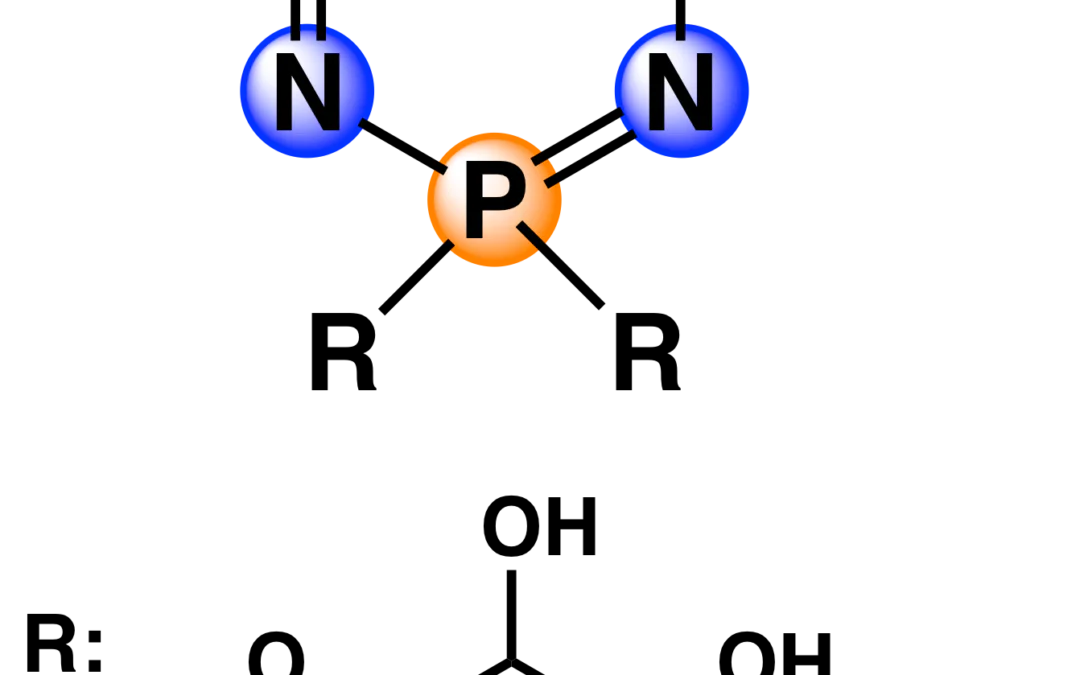
Water-soluble cyclophosphazenes provide effective, wash-resistant fire resistance to 50:50 “nyco” blend fabric. The novel phosphorus-nitrogen PIN compound, hexa (allylamine) cyclotriphosphazene (CPZ), see Mayer-Gall et al. in pinfa Newsletter n°106, was reacted with...

by mcwebmaster | Nov 17, 2022
Seven construction polymers were tested for fire performance and smoke, showing considerably different toxic emissions. Cone calorimeter, thermogravimetric analysis and FTIR (Fourrier Transform Infrared Spectroscopy) were used to analyse fire performance (flashover...
by mcwebmaster | Nov 17, 2022
Flame retarded phenolic foam core panel showed lowest toxic smoke emissions, did not reach danger limit for warehouse fire. Recent major fires have occurred in warehouses and logistics centres in South Korea (e.g. Icheon 38 deaths, Yongin 5 deaths, both 2020) and...
by mcwebmaster | Nov 17, 2022
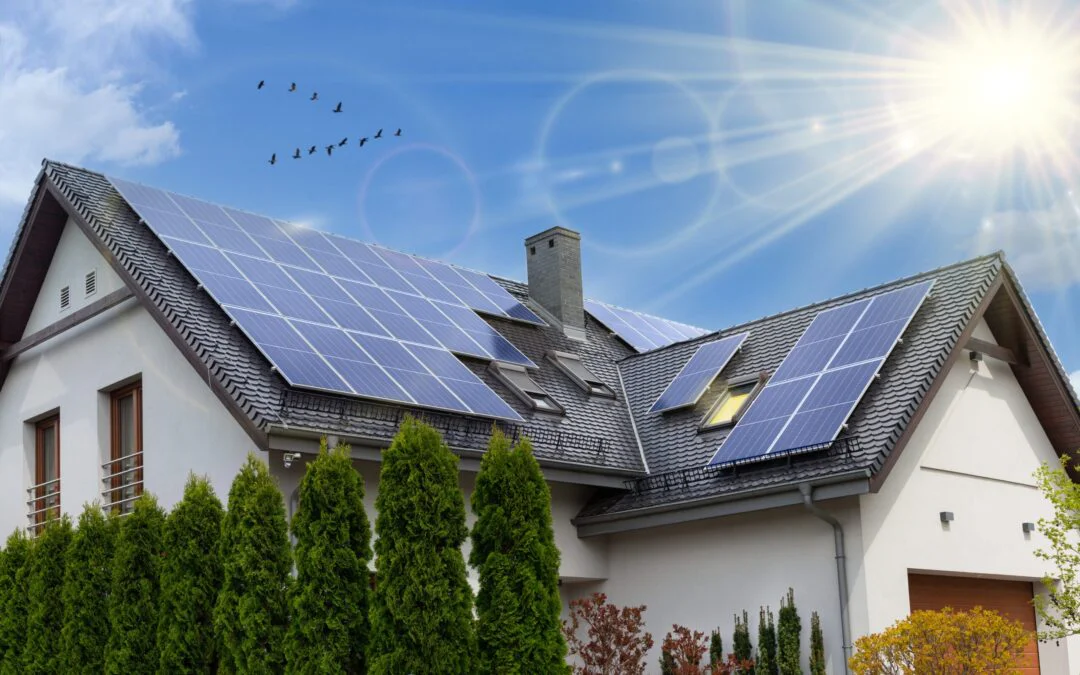
Fires in PV are estimated to occur at c. 3 fires per year per 100 MW capacity installed, with connectors a significant cause. Other fire causes are the PV module itself, DC isolator switches and fuses, cables and inverters. Because PVs generate continuous current,...
by mcwebmaster | Nov 17, 2022
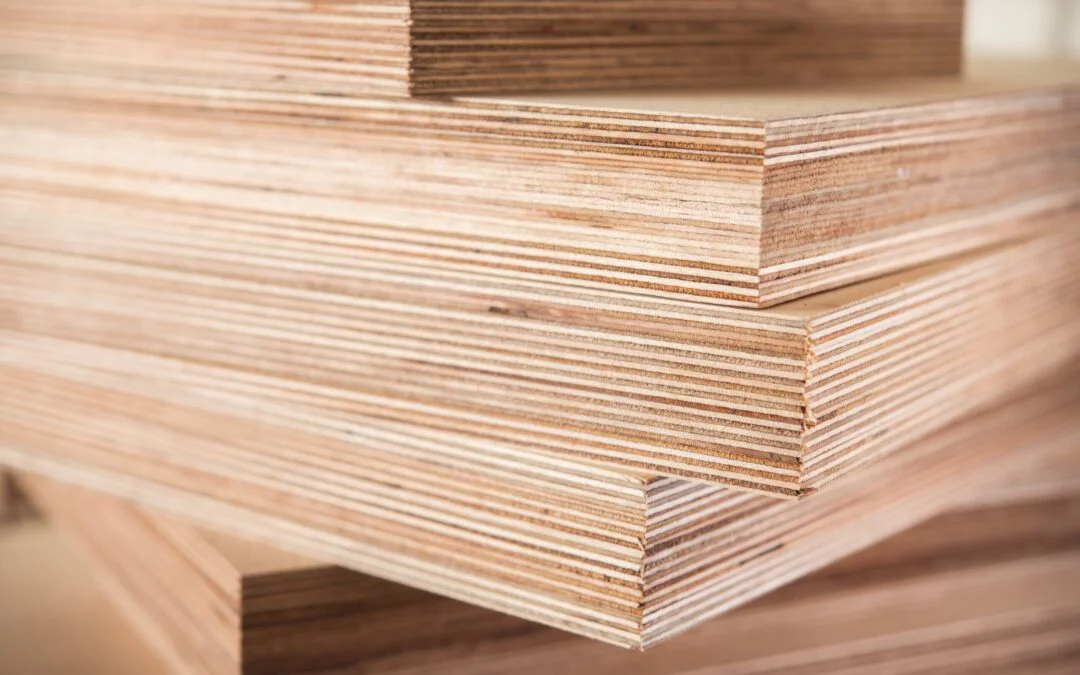
Plywood with phosphorus-nitrogen flame retardants showed very low toxic fire gases and achieved IMO fire performance. The plywood was vacuum impregnated with water soluble PIN FR consisting mainly of ammonium polyphosphate (APP) (pinfa comment: probably short-chain to...
