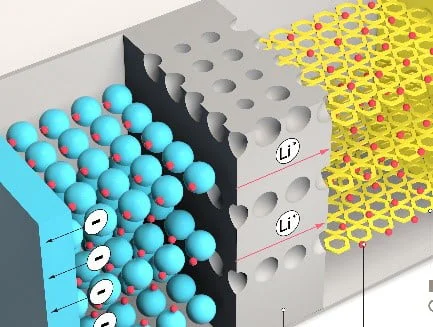
Flame retardants can reduce the fire risk of the liquid carbonate-based electrolytes in lithium-ion batteries. Two PIN flame retardants (phenoxycylophosphazene, melamine phosphate) and tris (2-chloropropyl) phosphate were tested in a battery electrolyte consisting of...
Carbon microspheres modified with molybdenum reduced smoke and carbon monoxide emission from TPU polyurethane. Hollow carbon microspheres were synthesised using polyacrylic acid, ethyl orthosilicate and phenolic resin, then carbonised and acidified with phosphoric...
An ATH – APP based PIN FR system reduced heat loss and smoke emission from wood – polyester particleboard. The particleboard was produced by compression molding of sawdust with polyester resin, after treating the sawdust with sodium hydroxide to improve compatibility....
Magnesium and aluminium minerals from coal power plant flue gas scrubbing can be recycled as PIN flame retardants. The 1 400 MW coal power plant, Nantong, Jiangsu, China, operates lime/gypsum flue gas desulphurisation (FGD), with an objective of zero liquid discharge....
APP with bio-based cobalt phytate reduce heat release, smoke production, density and toxicity from polyurethane foam. The recognised workhorse PIN flame retardant, ammonium polyphosphate (APP), was dosed at 33% loading in polyurethane rigid foam during foaming...