Official conclusions for the halogenated FR, TCEP, identify potential cancer, nervous system and fertility risks. The EPA concludes that TCEP (tris(2-chloroethyl) phosphate) poses an unreasonable risk of injury to human health and the environment, as defined under...
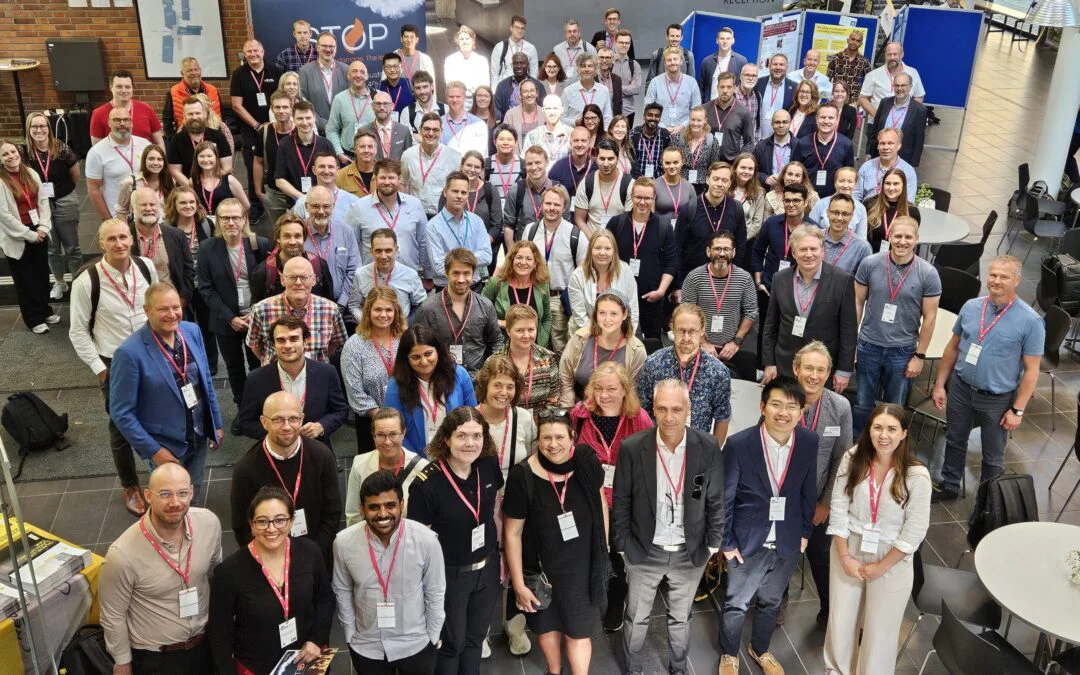
pinfa presented flame retardants, why they are used and how they work, at the Nordic Fires Safety Days, Lund, 18-19th June. This event brought together over 140 fire safety researchers, firefighters, industry and stakeholders, mainly from Nordic countries, with over...
This encyclopaedic reference on flame retardants is now updated with 775 pages by “the” leading experts. The book covers why flame retardants are needed in today’s society, FR and fire chemistries and physics, different types of FR, fire codes, standards and test...
Book chapter looks at metal and organic compounds which generate char or cross-linking in fire … so in fact: PIN FRs! The chapter on non-conventional approaches in the FR Polymers Handbook (see above) considers three PIN flame retardancy approaches. It proposes metal...
Concluding book chapter identifies new fire risk scenarios and today’s key challenges for flame retardants and for fire testing. Alex Morgan, editor of the 3rd Fire Retardancy of Polymer Materials handbook (see above) underlines electric transportation (batteries,...