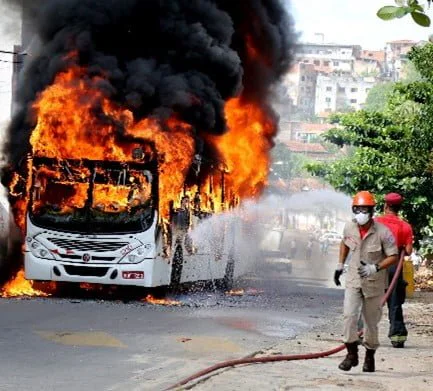
Bus seat, floor and interior trim materials as used in buses and coaches were tested for fire behaviour and smoke emission, concluding that they “lead to very limited times for escape and rescue in case of fire in a bus cabin”. Materials tested, supplied by...
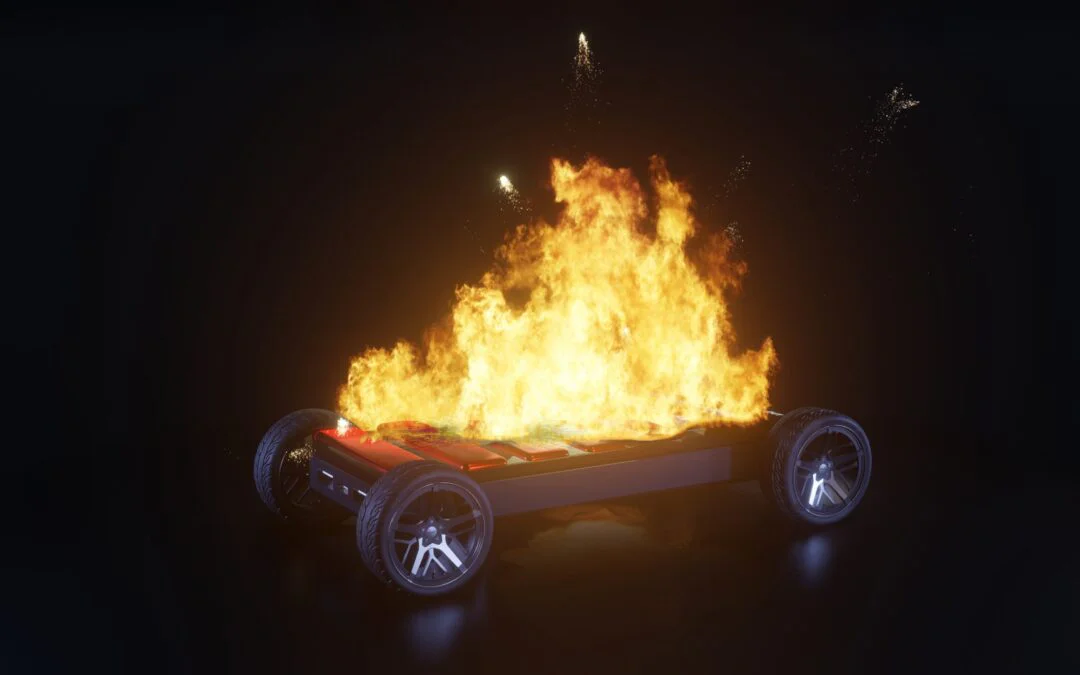
Are we prepared to tackle the fire risks of batteries? Calls for action and initiatives on electric vehicle and battery fire safety. EuroNews notes that fires in electric vehicles occur less often than in internal combustion engine cars (pinfa notes that this may be...
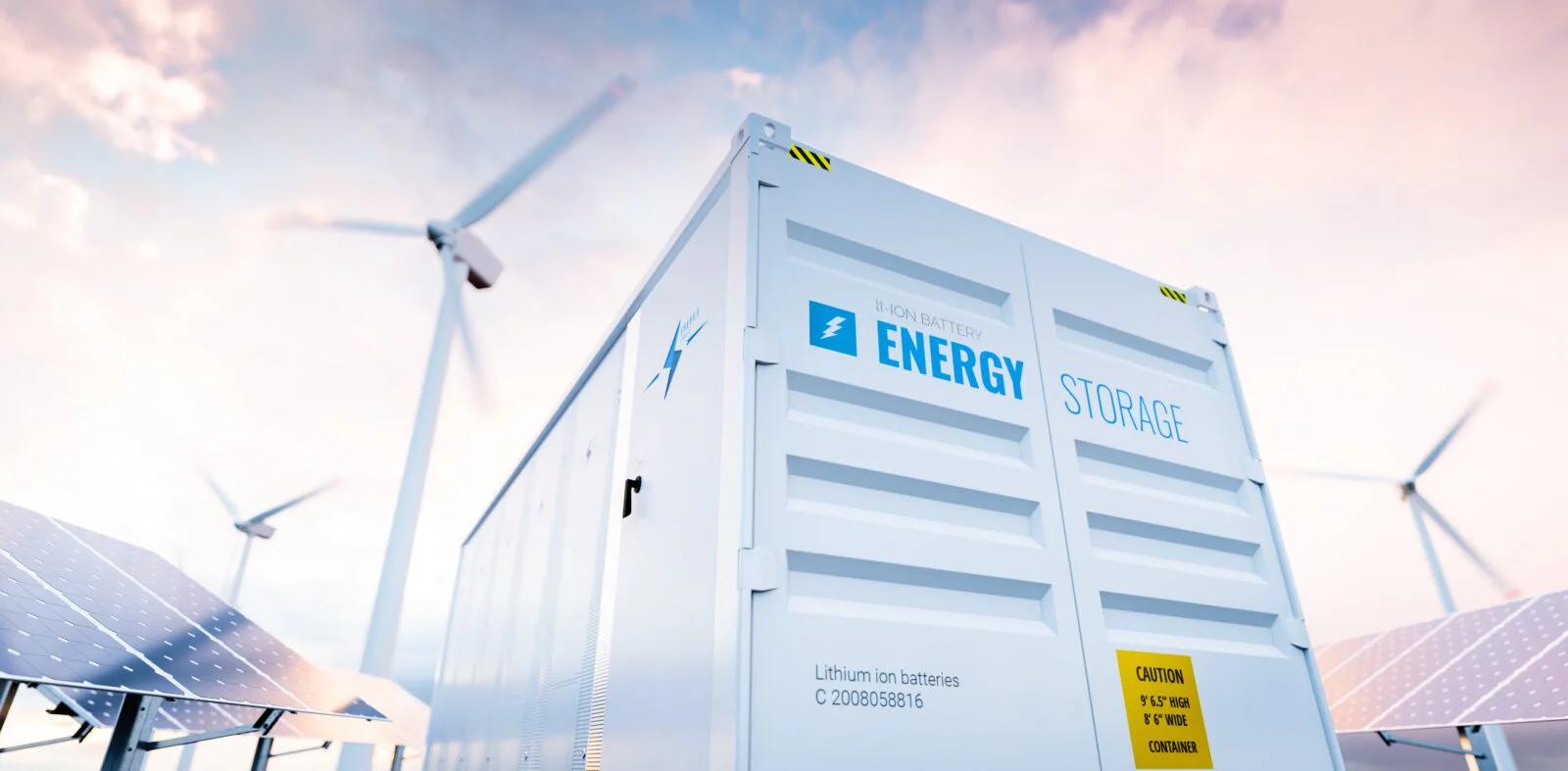
New York launches taskforce to investigate energy storage fire risks after solar farm fire. Rotterdam puts moratorium on new facilities. A fire at a Convergent solar farm, Jefferson County, New York State, involving a General Electric battery storage system caused...
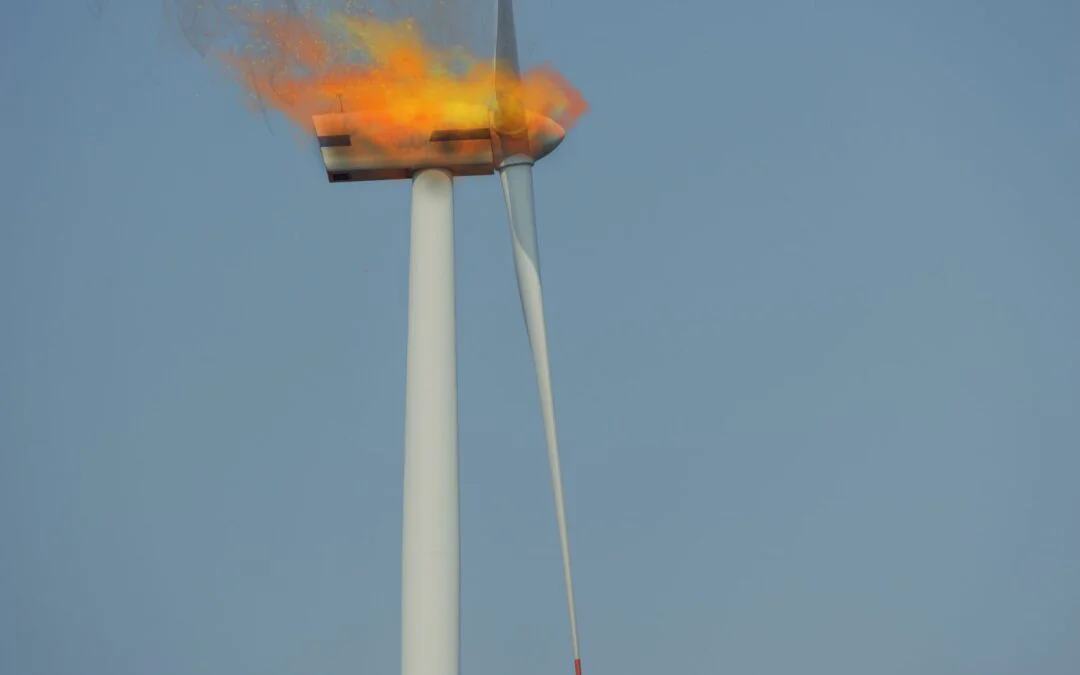
There are today over twenty wind turbine fires annually worldwide, causing up to 5 million € economic loss per fire. Causes include lightening, mechanical / gear / rotor breakage, bearing friction, overheating, sparks from mechanical problems or from braking,...
Lithium ion batteries use highly flammable liquid organic electrolytes. Solutions include flame retardants. Current state-of-the-art lithium ion batteries use LiPF6 as electrolyte salt in an organic carbonate solvent, a system which is flammable and thermally...