Chemicals cited include phthalates, bisphenols, PFAS, pesticides, tributyltins, parabens and brominated and organophosphorus flame retardants (OPFRs). The non-halogenated OPFRs cited are TPhP, EHDPHP and TPP, suggesting possible impacts on lipid and glucose metabolism...
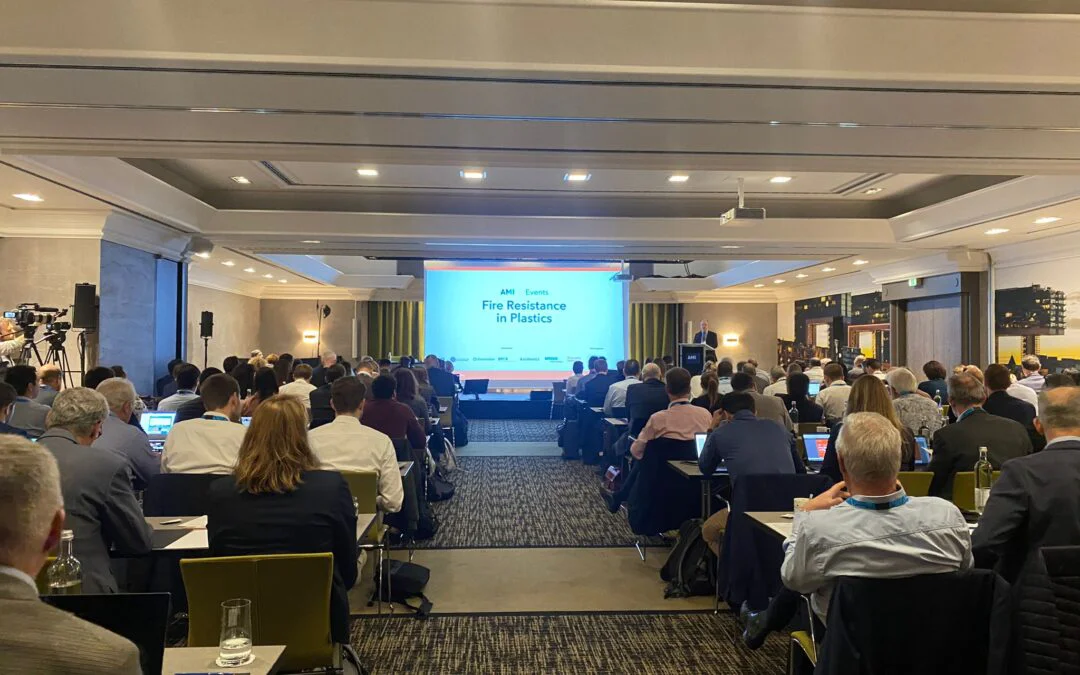
This Special Issue of the pinfa Newsletter summarises the 17th Fire Resistance in Plastics Conference 2022 (AMI FRiP) that has taken place in Cologne on 28-30 November 2022. The conference brought together some 150 participants from 22 countries, mainly from industry...
Patricia Lamouche, Hager Group Flame retardants are essential for Hager to ensure fire safety and to respect applicable product standards. Access to full chemical data on all molecules in plastics compositions is a priority to support Hager’s sustainability roadmap...
Markus Kemmler, Kemmler Consulting Cable producers today often try to meet, with the same non-halogenated product, the fire test requirements of Europe, China and the USA. This is highly challenging, and can be economically not feasible or result in processability...
Franck Gyppaz, Nexans, underlined the importance of cables for fire safety and presented a new mineral PIN flame retardant solution. Quantities of cables are increasing everywhere, with demography and with increasing energy demand and new energy uses. One quarter of...