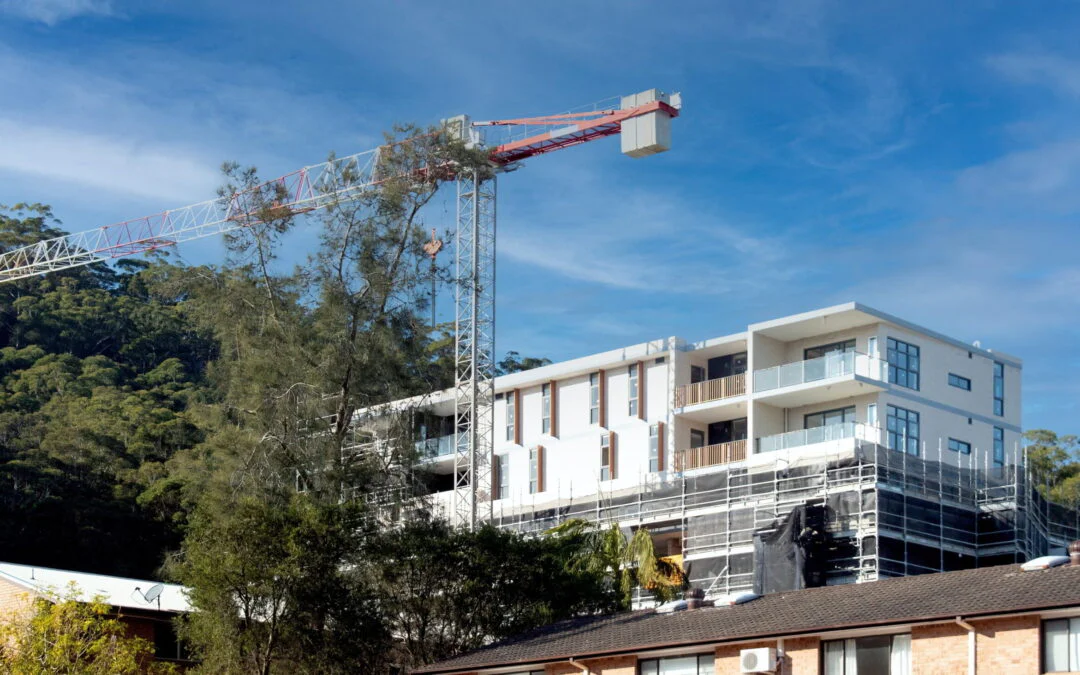
Combustible cladding is banned on high rise buildings and non FR polyethylene composite panels on all new buildings. The UK Government’s revision of fire safety guidance is part of an ongoing tightening of building regulations following the Grenfell fire. As well as...
New South Wales Australia shows nearly 44 000 residential fires in ten years, with higher incidence in social housing. The study, using nine data sources, covered all fires reported to fire services in NSW (population c. 8 million) 2005-2014. Over this period, 43 700...
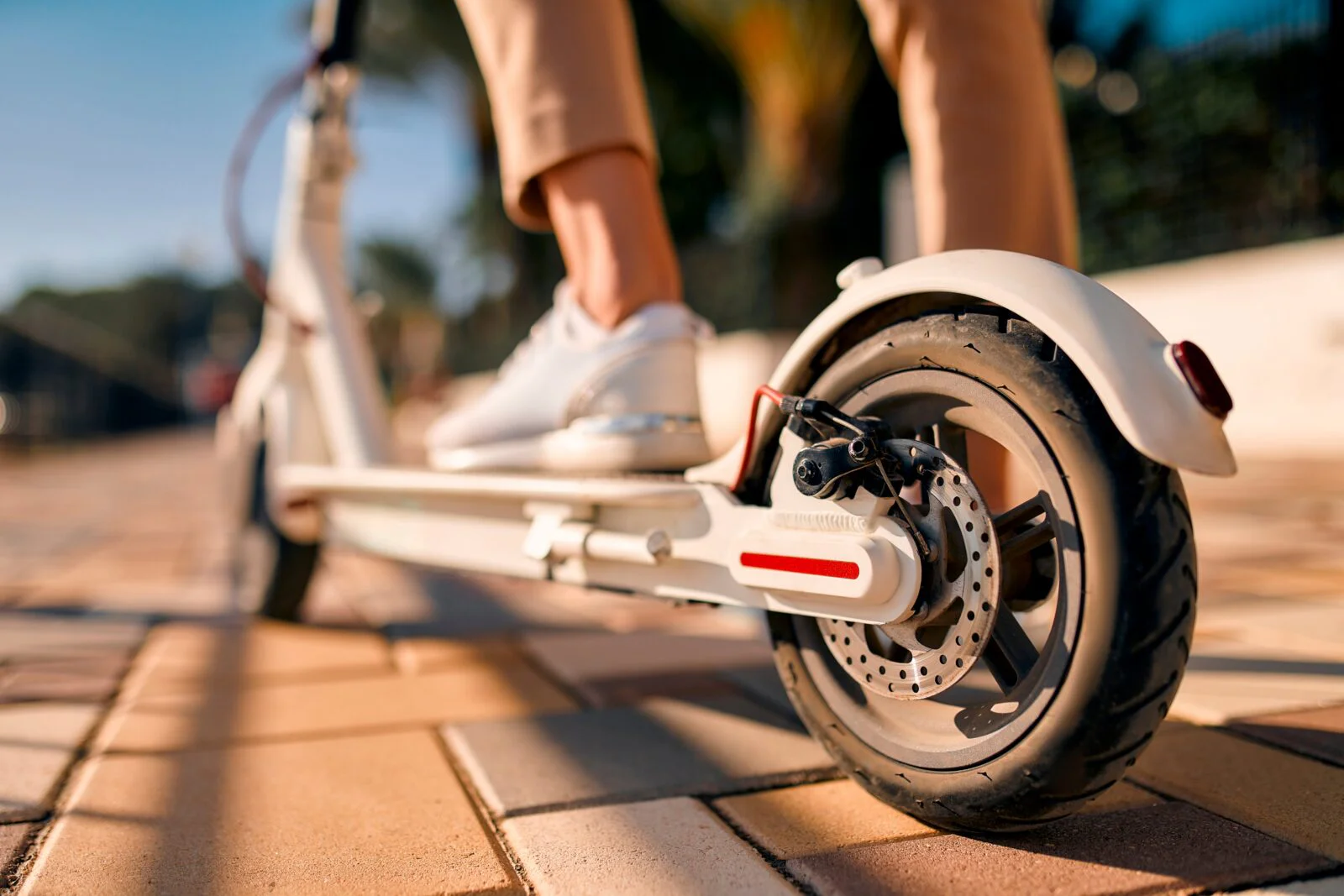
AXA UK warns of increasing fire risks from lithium-ion batteries in electric bicycles and e-scooters. AXA UK has covered nearly half a million UK£ losses on claims caused by such batteries. The insurer says such fires are increasing exponentially and usually occur in...
Overview of battery fire risks, flame retardant solutions and technology perspectives. 60 pages. 125 references. Current lithium-ion batteries stock up to 250 Wh/kg of energy, but this could in theory increase to 3 500 Wh/kg, so increasing fire and explosion risks....
Evaluation concludes cyclic aliphatic bromide FR chemicals present unreasonable risk for health and the environment. The US federal Environment Protectional Agency (EPA) final risk determination covers the cluster of cyclic aliphatic bromide chemicals, including the...