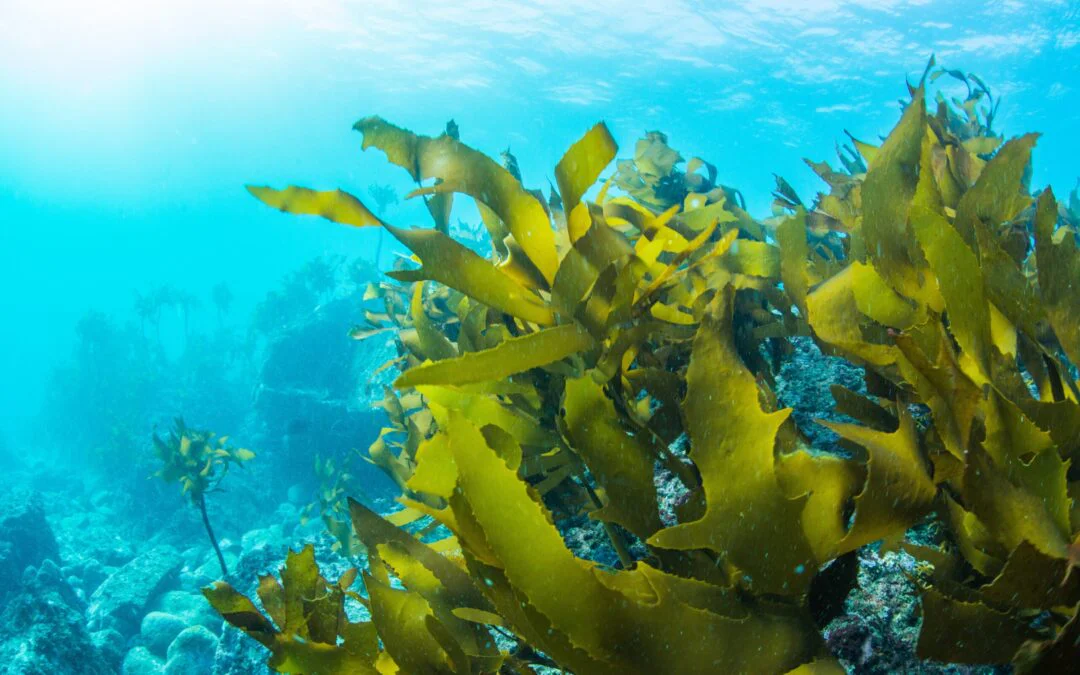
Researchers propose bio-based “plasterboard” for building, with natural boron PIN fire safety and carbon benefits. Seaweed grows up to 50 cm per day and sequesters nearly 200 million tonnes of carbon annually. It is easy to cultivate and does not compete with food...
New class of polymeric phosphorus- and boron-based PIN FRs synthetised and fire tested on cotton at lab scale. Poly(phenylphosphinoborane) was synthesised by dehydropolymerisation of phenylphosphine-borane using an iron-based pre-catalyst in toluene, in a process...
A phosphorus – nitrogen PIN flame retardant was developed for PA6 providing gas phase fire performance and anti-drip. ‘CBPB’ was synthesised by reacting p-Cyanobenzaldehyde (CBAD with 2-aminobenzimidazole (2-AB), then with 9,10-dihydro-9-oxa-10-phosphaphenanthrene-10-...
The EU’s Committee for Socio-Economic Analysis (SEAC) has adopted an Opinion supporting Restriction (under REACH) of the chlorinated flame retardant Dechlorane Plus (Dodecachlorododecahydrodimethanodibenzocyclooctene). The Committee for Risk Assessment (RAC) already...
100 to 130 participants joined the three sessions of pinfa’s webinar on “What are Safe and Sustainable Flame Retardants?” (one hour sessions on each of 27, 28 and 30th June 2022). Leading NGOs, experts and downstream users (TCO, ChemForward, ChemSec, Google, Schneider...