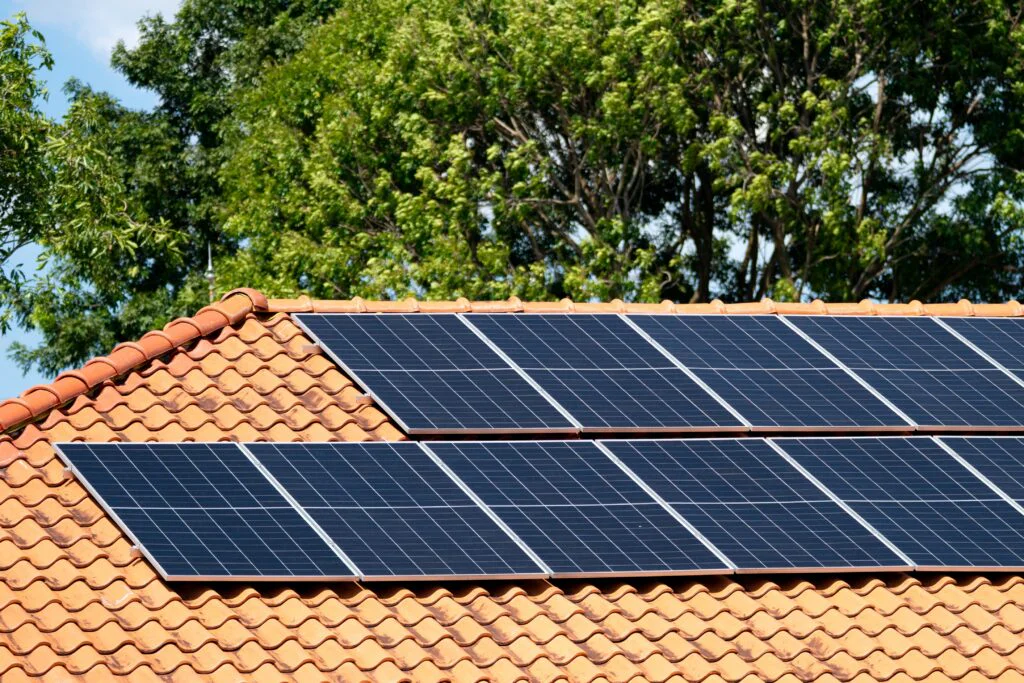
Fire risks of photovoltaic DC inverters
International Fire & Safety Journal summarises fire risks of PV panel DC inverters, prevention measures and standards. Studies show that many solar panel fires are related to inverters (which convert the direct current DC from the panel to mains alternating current AC) and related isolators and connectors. Inverter fires can result from overheating (from electrical load and/or climate), deterioration of electrical insulation, current leakage to earth (e.g. with humidity), internal component failure (capacitors, relays, circuit board and memory deterioration leading to control faults). Data suggests that in around a third of cases, inverter fire risks are due to poor installation, such as wiring errors, loose terminals or inappropriate placement leading to excessive heating. Remote monitoring systems can detect issues and reduce risks. Above all, equipment should be certified to standards such as IEC 62109, UL 1741, UL 1699B as well as complying with local electrical codes and building regulations.
“ How Solar Inverter Failures Contribute to Fire Hazards inModern Photovoltaic Systems”, Iain Hoey, International Fire & Safety Journal, 12 June 2026 https://internationalfireandsafetyjournal.com/solar-inverter-failures-and-fire-hazards/