Phenyl vs phenoxy phosphorus FRs
Both phenyl and phenoxy phosphorus PIN FRs showed improved effectiveness on cotton with more OH terminations. The PIN FRs tested were TPP and TPPOX (phenyl and phenoxy, both with zero acidic hydroxyl OH termination), DPPA and DPPOH (similarly, one OH), BPA and PPA (similarly, two OHs) and phosphoric acid (neither phenyl nor phenoxy, three OHs). These were applied to commercial plain weave cotton fabric (170 g/m2) by dissolving the FR in solvent, pipette application or tray soaking and pad drying, then curing @ 80°C with application resulting in comparable phosphorus loadings of c. 3 gP/m2. Peak heat release rate was reduced by c. 50% - c.75% for the different PIN FRs, compared to untreated cotton fabric, and after flame time was reduced 20% - 100% (self-extinguishing). Fire performance was considerably improved with increasing number of OH terminations, and was generally somewhat better for the phenoxy than for the phenyl compounds. The authors conclude that the OH, and to a lesser degree phenoxy groups, are effective by improving char formation by dehydration and condensation reactions during combustion.
TPP = Triphenyl phosphate - TPPOX = Triphenyl phosphorus oxide
DPPA = Diphenylphosphinic acid - DPPOH = Diphenyl phosphate
BPA = Phenylphosphonic acid - PPA = Phenyl phosphate
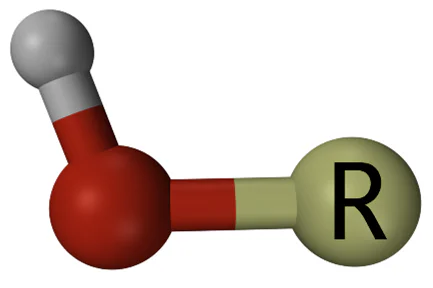
Image: Wiki by Itineranttrader curid 5794572
“The Gas- and Condensed-Phase Efficacy of Functionalized Phosphorus Flame Retardants for Cotton Fabric: Phenyl vs. Phenoxy Groups”, R. Otto et al., Polymers 2025, 17, 924. https://doi.org/10.3390/polym17070924