Phosphoramidates as PIN flame retardants: update of studies on a possible new class of PIN FRs. Expert editorial by Cédric Hervieu and Sabyasachi Gaan, EMPA
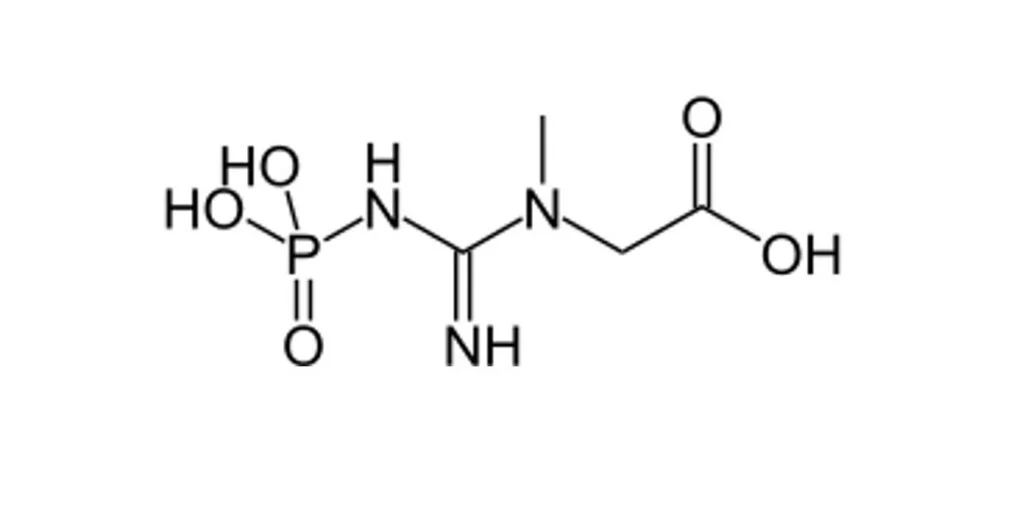
Phosphoramidates (or amidophosphates) are nitrogen-containing phosphorus esters with one P-N link and pentavalent phosphorus, oxidation state +5. The phosphorus has one P=O link and two P-O, one P-N links. They are derived from transformation of various organophosphorus compounds containing P-H or P-Cl bonds (the chlorine is not transferred to the phosphoramidate). They are attracting R&D interest as effective flame retardants in a range of polymers and on natural fibres, acting both in the gas phase and by char formation. They also have applications as anticancer, antibacterial and antivirus drugs (see Bouchareb & Berredjem 2022).
Similar P-N esters include phosphonamitades, phosphonamides and phosphoramides. These are also P(+5) compounds and have respectively (one P=O, one P-O, one P-N, one P-R), (one P=O, one P-R, 2 P-N) and (one P=O, three P-N) where R is a carbon containing moity.
This mini-review summarises a number of papers testing different lab-synthesised phosphoramidate and similar P-N PIN flame retardants in various polymers and fibres.
Different such organic P-N FRs, and comparison to trivalent phosphorus compounds (e.g. phosphoramidite, phosphorodiamidite, phosphonoamidate) are explained in Nazir & Gaan 2020. This paper reviews a number of studies of phosphoramidate derivates and their flame retardant effects, including in polyurethanes, epoxy, ABS and on cotton.
Why phosphoramidates / phosphonamidates ?
An expert editorial by Sabyasachi Gaan, EMPA Switzerland
Among organic phosphorus-containing flame retardants, phosphorus–nitrogen (P–N) compounds have garnered considerable attention due to their unique synergistic behaviour, which enhances fire resistance. Two notable subclasses, phosphonamidates and phosphoramidates, combine the char-promoting and radical-quenching effects of phosphorus with the fuel-diluting and nitrogen-enriching impacts of nitrogen. Under thermal decomposition, they generate phosphoric or phosphonic acid species and nitrogen-rich volatiles, which promote char formation and reduce flammable gases, thereby improving both condensed- and gas-phase fire resistance.
Beyond flame retardancy, phosphonamidates are valued for their chemical stability and multifunctionality, finding use in biomedical materials (e.g., biocompatible coatings and drug delivery systems) and sustainable polymers, where they enhance thermal and mechanical properties while maintaining environmental compatibility.
Depending on the oxidation state, these phosphorus compounds can be trivalent (e.g., phosphines, phosphoramidites, oxidatation state +3) or pentavalent (e.g., phosphonamides, phosphoramides, oxidatation state +5), the latter being particularly relevant in flame retardancy and materials science.
For example, dimethyl N,N-1,3-phenylenebis(P-methylphosphonamidate) (DMPMP), exemplifies the multifunctionality of such molecules, which contain aromatic and aliphatic groups, a high phosphorus content, and multiple P–N bonds.
Phosphonamidates are typically synthesized by reacting a chlorophosphonate precursor with different amines in the presence of an acid scavenger. Similarly, phosphoramidate analogs can be synthesized by reacting phosphorochloridates with aromatic amines, as demonstrated in derivatives such as N-RDP (an aniline-based analog of resorcinol bis(diphenyl phosphate)).
Phosphoramidates primarily act in the condensed phase by forming cross-linked char networks, while phosphonamidates, especially volatile ones like DMPMP, exhibit strong gas-phase activity through radical quenching, enabling efficient flame suppression at low loadings (e.g., achieving UL 94 V0 ratings in ABS and EVA). Their dual-mode mechanism, which combines gas-phase inhibition and condensed-phase protection, provides superior flame retardancy even in low-charring polymers. In addition, aromatic phosphonamidates and phosphoramidates are typically non-volatile and water-insoluble, ensuring high stability in polymer matrices. These compounds have demonstrated remarkable performance in various polymers, including polycarbonate, PET, PBT, and ABS, as either reactive or additive flame retardants, in some cases surpassing conventional phosphate esters in char yield. By tuning structural features, such as the nature of substituents or the P/N ratio, researchers can precisely modulate the thermal behavior, polymer compatibility, and flame-retardant performance of these materials.
Overall, P–N flame retardants, and particularly phosphonamidates and phosphoramidates, represent a highly promising class of multifunctional additives that combine efficiency, stability, and sustainability in advanced fire-safe material design. One of the key challenges of the commercialization of phosphormidates and phosphonamidates is developing economic and synthetic strategies.
Phosphoramidate literature overview
Systematic comparisons in epoxy
Four similar PIN FRs, amide, di-amidate, amidate and phosphate, were compared in epoxies, in low molecular form and in a hyperbranched form in three papers.by Markwart et al. 2019; Battig et al. 2019-I and Battig et al. 2019-II. Four phosphorus PIN FRs were synthesised, each similar to Tri(hex-5-en-1yl)phosphate: this phosphate (P=O(OR)3), a phosphoramidate (P=O(OR)2(NHR)), a phosphorodiamidate (P=O(OR)(NHR)2) and a phosphoramide (P=O(NHR)3). Hyperbranched versions were synthesised by radical thiol-ene polyaddition. The resulting phosphorus PIN FRs were tested alone and in combinations in aliphatic and aromatic epoxies, comparing also to the commercial PIN FR bishphenol A diphenyl phosphate (BDP). The authors looked at different flame retardant mechanisms: inhibition of cis-elimination (cis = functional groups on the same side of the polymer molecule plane), hydrolysis of polymer, formation of P-N rich char. Combinations of the phosphate and the phosphoramide outperformed using either the amidate or the diamidate alone. At the low loading used for this research comparison (10% FR in epoxy), none of the PIN FRs or combinations achieved better UL 94 rating (mm thickness not specified) than neat epoxy (HB). BDP @ 10% increased the LOI of the epoxy from 18.7 to 24 and the four synthesised PIN FRs used alone gave LOI’s of 22.8 – 23. Results suggested that the molecules with higher oxygen content were more effective at reducing heat release because of greater gas phase mechanisms. The hyperbranched molecules benefited from a higher glass transition. The authors suggest that the hypebranched molecules may also offer better integration into epoxy and lower risk of blooming than small molecule FRs. They also conclude that phosphoramides can be effective as additive PIN FRs in aromatic epoxy or as reactive PIN FRs in aliphatic epoxy. Further, the four small molecule phosphorus PIN FRs were tested for toxicity in fungi and plant cells and gene assays. All showed some toxicity or gene effects, but were less toxic than the commercial brominated FR tested for comparison (tetrabromo bisphenol A). The phosphoramidate showed no baseline toxicity, none of the four molecules were estrogenic, but the phosphoramidate and the phosphate showed some antiandrogenic activity.
Comparing phosphoramidates on cotton
The char generation flame retardancy mechanism of phosphoramidates, and also toxicity, are analysed in Rupper, Gaan et al. 2010 and 2009. Flame retardant effectiveness of four small-molecule phosphoramidates and TEP (triethyl phosphate) was tested on cotton, comparing char mechanisms. The phosphoramidates were synthesised by reacting diethyl phosphite with primary amine and triethylamine. The FRs were applied to cotton fabric by soaking in solvent FR solutions to achieve 2% or 4% phosphorus loadings. Untreated cotton did not generate char when burnt, whereas the FRs resulted in char formation. The P content of the final char was 2 – 2.7 x higher than the initial 2% or 4%, with higher P retention for the more effective FR (in this case around half the P is lost, half is retained in the char). For the less effective FRs, the residual P content of the char is lower, and the P is concentrated near the char surface. Also, for the more effective FRs, the P in char is in C-O-P bonds rather than P=O, showing more reaction with the cotton. The authors also note that loss of nitrogen indicates release of alkylamines during burning.
The corresponding FRPM 2009 conference paper also summarises initial toxicity testing of phosphoramidates, using luminescence of the marine bacterium Vibrio fischeri showing similar or lower toxicity than comparable phosphate esters.
A multi-hydroxyl terminating hyperbranched phosphoramidate on cotton provided a wash-durable PIN flame retardant for cotton, passing VFT (vertical flame test) without afterflame and without afterglow (Zhang et al. 2021). The phosphoramide was synthesised by reacting phosphorus oxychloride with diethanolamine, generating a hyperbranched oligomer (MW = weigh average molecular weight 2300 g/mol) with multiple phosphoramidate groups and multiple hydroxyl terminations. This was applied to cotton by soaking – padding then curing at 180°C, at different concentrations, with and without BTCA (butane tetracarboxylic acid) cross-linking. Peak heat release rate was reduced by up to 60% compared to untreated cotton and LOI was increased by 80%. After 25 wash cycles, LOI was still 40% higher than untreated cotton, showing significant wash durability. The treatment of the cotton did not significantly deteriorate tensile strength, whiteness or wrinkle recovery.
Two PIN FRs based on triazine and silane were compared on cotton and on wood: the phosphonate showed slightly better fire performance than the phosphoramidate. In the publications (Shabani et al. 2025 and Ali et al. 2025), the phosphonate is termed VS-M2 or 2DEPA-Taz-APTMS and the phosphoramidate is VS-M3 or 2DEPA-Mel-PTMS.
On cotton, these two compounds were evaluated against a phosphorus-free triazine-silane reference (VS-M1 or Mel-PTMS) to examine the structural effect of the phosphorus linkage on flame retardant performance in cotton. In the phosphonate, phosphorus is directly bonded to a carbon of the triazine ring, whereas in the phosphoramidate, the linkage occurs via a nitrogen bridge. Self-extinguishing behavior was achieved in vertical flame tests for both phosphorus-containing systems at comparable phosphorus concentrations, with the phosphonate showing slightly better fire performance than the phosphoramidate. Although gas-phase activity, especially for the phosphoramidate, was observed to a minor extent, the dominant mechanism of action for both is condensed-phase based.
On wood, these compounds were tested in coating on birch and pine planks combined with ammonium polyphosphate (APP, of two types), melamine, pentaerythritol, glass beads and a polyurethane or an acrylic binder. Fire tests showed that replacing part of the APP by the silane-based compounds improved fire performance, with phosphorus and nitrogen species acting both in the gas phase and in char formation, with the silica also enhancing char. The phosphonate 2DEPA-Taz-APTMS again resulted in somewhat better fire performance than the phosphoramidate 2DEPA-Mel-PTMS. The authors note that fire performance is significantly changed by using different binders and underline the importance of flame retardants in topcoats applied to the intumescent coating. A water-based polyurethane binder gave the best fire performance. The treated planks were tested for natural weathering (outdoor exposure in Germany) for one year showing superior weathering for the silane-compound containing coatings using this same water-based polyurethane binder. Topcoats significantly improved weathering.
Phosphoramidate for ABS and EVA
A lab-synthesised (di)phosphonamidate DMPMP achieved UL 94 V-0 (3.2 mm) in non-charring polymers ABS and EVA (Vothi et al. 2019). Dimethyl N,N’1,3-phenylenebis (P-methylphosphonamidate) (DMPMP) was tested at 10 – 30% loading in ABS and EVA (2.1 – 4.2 % P, achieving UL 94 V-0 at 10% in EVA and at 20% in ABS. The authors conclude that char formation was quantitatively comparable to other P and P-N FRs tested (RDP, 2N-RDP, 4N-RDP), with the NH and P contributing to nitrogen – phosphorus rich char residues by transesterification, but that the flame retardant effect is mainly due to gas phase action.
Phosphoramidate PIN FR for epoxy
ADPD ‘phosphoramidate’ achieved UL-94 V-0 in epoxy resin at 2% loading whilst maintaining mechanical properties (Guo et al. 2025). It is unclear if the ADPD is in fact reacted with a P-N bond or whether it is a salt. The viscous liquid ADPD compound was synthesised in one step without using solvents, by reacting dimethyl methylphosphonate (DMMP) and aminoethylpiperazine (AEP) at 160°C. At 2% loading reacted into DGEBA epoxy at polymerisation, LOI was increased from 26 (neat epoxy) to nearly 32, peak heat release rate was reduced by almost 25% and UL-94 V-0 (3 mm) was achieved. The authors consider that the P(=O)-N bond in the phosphoramidate enables the release of fire-diluting gases, gas-phase disruption of combustion, and char formation. ADPD improved the processing and mechanical properties of the resulting epoxy composite (including tensile, impact and shear strength) and preserved transparency. The authors suggest that it potentially offers a readily synthesised reactive PIN FR for epoxy, avoiding issues of FR migration and deterioration of mechanical properties identified with other solutions, such as DOPO-derivatives.
Phosphoramidates and LDPE recycling
Five different phosphoramidates were tested in polyethylene for impact on burning rates, mechanical properties, recycling (Fonseca et al. 2025). The phosphoramidates were synthesized by a catalysed reaction of different amines with specific phosphites and contained 10–16% phosphorus w/w. They were melt-blended at 130°C into low-density polyethylene (LDPE) at loadings of 1-10 %. Burning rate of LDPE was reduced by around 50% with all five of the phosphoramidates at just 1% loading, and at this loading, there was little impact on LDPE mechanical properties. Recycling of the phosphoramidate-loaded LDPE was tested for both chemical recycling (catalysed aerobic oxidative breakdown of LDPE polymer to dicarboxylic acids) and thermal recycling (pyrolysis to a fuel liquid). In both cases, phosphorus interfered with the recycling process (reducing LPDE breakdown/recovery, reducing fuel liquid production) but this could be significantly mitigated by thermal pretreatment (150°C, 3 hours, vacuum) which volatised the phosphoramidate out of the polymer enabling its recovery by distillation. pinfa notes that this may mean risk of migration out of the polymer during use.
Phosphoramidates in flexible PU foam
Eight phosphoramidates / phosphoramides were tested in polyurethane foams, achieving in one case UL 94-HB HF1 (Neisius et al. 2013). Mono-substituted secondary dimethyl, secondary diphenyl and tertiary trimethyl and trisubstituted secondary phosphoramidates were tested at 1% - 10% loading in flexibly PU foam. All except the trisubstituted compound (the only phosphoramide) passed the VKF-BKZ fire performance test at 1% or 2% or higher loadings. Several of the phosphoramidates achieved HF2 at 10% loading in the UL 94-HBF test and DMAPR (dimethyl allyl phosphoramidate) achieved HF2 at 5% loading and HF1 at 10% loading. The authors conclude that these phosphoramidates show good compatibility with the PU foam and result in only limited foam density increases. The methyl ester phosphoramidates show better fire performance, probably because of higher P content/weight and the monoallyl derivatives show the best fire performance. The phosphoramidate flame retardant effect is considered to be principally in the gas phase.
Phosphoramidates in PP
A piperazine spirocyclic phosphoramidate (PSP) was tested in polypropylene with APP, achieving UL 94 V-0 (3mm) at 30% loading (Li et al. 2014). UL 94 V-0 was also achieved with 15% PSP plus 15% ammonium polyphosphate (APP), or with 22.5% APP and 7.5% of a triazine charring agent. The authors conclude that the results show synergy between PSP, APP and the triazine. LOI (limiting oxygen index) is increased from 17.5 (neat PP) to up to 39.8 and considerable generation of compact charr is shown. This follows previous studies showing that a spirocyclic phosphoramidate was also an effective PIN FR ion polypropylene.
An aliphatic-aromatic polyamide – phosphoramide (PETAP) was tested with APP in polypropylene, achieving UL 94 V-0 (3.2 mm) with 6 – 9 % PETAP plus 24 – 21 % APP (ammonium polyphosphate) (Ma et al. 2021). The inclusion of PETAP prevented the deterioration of mechanical properties of the PP which resulted from inclusion of APP (maximum bending stress) or even improved mechanical properties compared to neat PP (elasticity modulus, bending strain).
Biphosphoramidates in polycarbonate
Four different biphosphoramidates achieved UL 94 V-0 (3.2 mm) in polycarbonate at 5% loadings (Nguyen et al. 2008). V-0 was also achieved with the well-known phosphorus PIN FR: RDP. Analysis shows that the presence of the secondary amine group increases char residue at high temperatures, which is attributed to the reaction between pentavalent phosphorus and the amine hydrogen. The authors note that polycarbonate is a highly charring-generating polymer and that these results would likely not transfer to non-charring polymers, such as ABS.
The phosphoramide DCPCD achieves a UL 94 V-0 rating (3.2 mm) at a 15% loading in polycarbonate, with minimal decrease in transparency and an increase in tensile strength (Hao et al. 2024). The phosphoramide tested, DCPCD, is described in Li et al. (2023). Here it was tested in polycarbonate, achieving UL 94 V-0 (3.2 mm) at 15% loading (or 10% + 3% PTFE). The authors consider that the DCPCD acts by phosphorus radical quenching in the gas phase, some release of ammonia (diluting fire gases) and by generation of considerable, dense char with many bubbles inhibiting heat and flammable gas transfer in fire.
Organophosphorus PIN FRs for TPU
Piperazine, triethylamine and phenyl phosphate derived polymeric phosphoramidite PIN FR (“POP”) achieved UL 94 V-0 (3.2 mm) at 27% in TPU thermoplastic polyurethane elastomer (H. Shi et al. 2025). The peak heat release rate was halved at only 3% FR loading and was reduced by two-thirds at 15%. Residual char was increased by a factor of 3.5x at 15% loading. At 27% FR loading, UL 94 V-0 (3.2 mm) was achieved. Due to good compatibility with the TPU, the mechanical properties of the TPU were not significantly deteriorated, including tensile strength, elongation at break, and light transparency. The authors consider that the flame retardancy effect results from the emission of CO2 (diluting fire gases) and the creation of dense, graphitised char (solid phase).
Phosphoramide PIN FR achieves UL 94 V-0 (3.2 mm) in TPU, with transparency maintained (Li et al. 2023 - 1). The novel phosphoramide DCPCD was synthesised from triethylamine, diethylenetriamine and diphenyl phosphorochloridate. At 6% loading, the phosphoramide reduced peak heat release rate by nearly 60% and increased LOI by 22% compared to neat TPU, passing UL 94 V-0 (3.2 mm), without significantly deteriorating transparency or haze of the TPU. The authors consider that the fire protection is by generation of a strong, cross-linked, phosphorus-containing char layer. A further paper (Li et al. 2023 - 2) tests three different phosphonamides in TPU. A molecule with ethoxy and p-phenylenediamine groups showed better flame retardancy than a similar one with p-phenylenediamine-groups, which was itself better than the starting molecule with piperazine groups. The better phosphonamides achieved UL 94 V-O (3.2 mm) at 9% loading in TPU.
See also the work presented at FRPM2025 (above) by Yajun Chen, Beijing Technology and Business University, China, showing that different small molecule and high molecular weight phosphoramidates and cross-linked phosphoramidates were able to achieve UL 94 V-0 (3.2 mm) in TPU at <30% loadings (c. 6% P in TPU). Higher molecular weight phosphoramidates avoid the plasticiser effect of smaller molecules and cross-linking improves the water stability of the TPU.
Vanillin phosphoramides in PLA
Oligomeric vanillin phosphoramides in polylactic acid (PLA) achieve UL 94 V-0 (3.2 mm) at 3% loading (Xue et al. 2024). Phosphoramides of biobased vanillin, divanillin and trivanillin were synthesised by combining with phenyl phosphinic acid and a diaminodecane, resulting respectively in a mono-phosphoramide (V1) and in oligomeric linear (V2) and branched (V3) phosphoramides. At 3% loading, the V1 phosphoramide increased LOI (limiting oxygen index) of PLA by nearly 30%, achieving UL 94 V-1 (3.2 mm) whereas the V2 and V3 oligomeric phosphoramides increased the LOI by over 60% and achieved UL 94 V-0, with the branched oligomeric V3 offering the best fire performance (probably because of its higher nitrogen content). On the other hand, only the linear oligomeric V2 improved the mechanical strength of the PLA, increasing crystallinity by over 85%, tensile strength by +10% and elastic modulus y +15%.
Phosphoramidate references
“Systematically Controlled Decomposition Mechanism in Phosphorus Flame Retardants by Precise Molecular Architecture: P−O vs P−N”, J. Markwart et al., ACS Appl. Polym. Mater. 2019, 1, 1118−1128 https://doi.org/10.1021/acsapm.9b00129
“Hyperbranched phosphorus flame retardants: multifunctional additives for epoxy resins”, A. Battig et al., Polym. Chem., 2019, 10, 4346–4358 https://doi.org/10.1039/c9py00737g
“Matrix matters: Hyperbranched flame retardants in aliphatic and aromatic epoxy resins”, A. Battig et al., Polymer Degradation and Stability 170 (2019) 108986 https://doi.org/10.1016/j.polymdegradstab.2019.108986
“Recent progress in the synthesis of phosphoramidate and phosphonamide derivatives: A review”, F. Bouchareba, M. Berredjem, Phosphorus, Sulfur and Silicon and the Related Elements, 2002, vol. 197, n°.7, 711-731, https://doi.org/10.1080/10426507.2021.2012781
“Recent developments in P(O/S)–N containing flame retardants”, R. Nazir & S. Gaan, J. Appl Polym Sci, 2020, https://doi.org/10.1002/APP.47910
“Characterization of chars obtained from cellulose treated with phosphoramidate flame retardants”, P. Rupper, S. Gaan et al., J. Anal. Appl. Pyrolysis 87 (2010) 93–98 http://dx.doi.org/10.1016/j.jaap.2009.10.011
“Phosphoramidate flame retardants: mechanism and application”, S. Gaan et al., 20th Annual Conference on Recent Advances in Flame Retardancy of Polymeric Materials, Stamford, Connecticut, USA, 1-3 June 2009, 68-77 https://www.proceedings.com/content/007/007412webtoc.pdf
“Eco-friendly and efficient flame-retardant cotton fabric based on a multi-hydroxyl hyperbranched phosphoramidate”, C. Zhang et al., Cellulose (2021) 28:1857–1872, https://doi.org/10.1007/s10570-020-03645-1
“Novel Nitrogen−Phosphorus Flame Retardant Based on Phosphonamidate: Thermal Stability and Flame Retardancy”, H. Vothi et al., ACS Omega 2019, 4, 17791−17797 http://dx.doi.org/10.1021/acsomega.9b02371
“Impact of phosphonate and phosphoramidate in Si/P/triazine hybrid flame retardants on cotton flammability”, A. Shabani et al., Polymer Degradation and Stability 232 (2025) 111107 https://doi.org/10.1016/j.polymdegradstab.2024.111107
“Design of flame retardants for wood-based intumescent coatings for outdoor applications”, W. Ali et al., Construction and Building Materials 489 (2025) 142376 https://doi.org/10.1016/j.conbuildmat.2025.142376
“A novel phosphoramidate-based eco-friendly flame retardant for epoxy resins: Enhanced mechanical properties and fire safety”, X. Guo, Polymer Degradation and Stability 233 (2025) 111172 https://doi.org/10.1016/j.polymdegradstab.2025.111172
“Phosphoramidates as promising low-loading flame retardants for low density polyethylene”, A. Fonseca at al., Polymer Degradation and Stability 234 (2025) 111217 https://doi.org/10.1016/j.polymdegradstab.2025.111217
“Phosphoramidate-Containing Flame-Retardant Flexible Polyurethane Foams”, M. Neisius et al., Ind. Eng. Chem. Res. 2013, 52, 9752−9762, https://doi.org/10.1021/ie400914u
“Flame Retardancy and Thermal Performance of Polypropylene Treated With the Intumescent Flame Retardant, Piperazine Spirocyclic Phosphoramidate”, B. Li et al., J. Vinyl & Additive Technology, 2014, https://doi.org/10.1002/vnl.21337
“Synthesis of aliphatic–aromatic polyamide carbonized system with phosphoramide structure and study on its thermal degradation mechanism and flame retardancy in polypropylene system”, J. Ma et al., J. Thermal Analysis and Calorimetry, 2021, 145:3041–3051, https://doi.org/10.1007/s10973-020-09879-2
“Thermal stabilities and flame retardancies of nitrogen–phosphorus flame retardants based on bisphosphoramidates”, C. Nguyen et al., Polymer Degradation and Stability 93 (2008) 1037–1043, https://doi.org/10.1016/j.polymdegradstab.2008.03.024
“Enhancing Polycarbonate with Phosphoramide and PTFE: Achieving High Flame Retardancy, Transparency, and Tensile Strength”, J. Hao et al., SSRN 2024 https://dx.doi.org/10.2139/ssrn.4937813
“Polymer-based phosphoramidite flame retardant for TPU: Enhanced fire resistance with preserved transparency and mechanical properties”, H. Shi et al., Polymer Degradation and Stability 232 (2025) 111103 https://doi.org/10.1016/j.polymdegradstab.2024.111103
“Impact of a Novel Phosphoramide Flame Retardant on the Fire Behavior and Transparency of Thermoplastic Polyurethane Elastomers”, M. Li et al., ACS Omega 2023, 8, 18151−18164, https://doi.org/10.1021/acsomega.3c01464
“Facile alteration of the molecular structure of phosphonamide for efficient flame retardancy in TPU”, M. Li et al., Composites Communications 44 (2023) 101759 https://doi.org/10.1016/j.coco.2023.101759
“How the chemical structure of phosphoramides affect the fire retardancy and mechanical properties of polylactide?”, Y. Xue et al., Int. J. Biological Macromolecules 265 (2024) 130790, https://doi.org/10.1016/j.ijbiomac.2024.130790