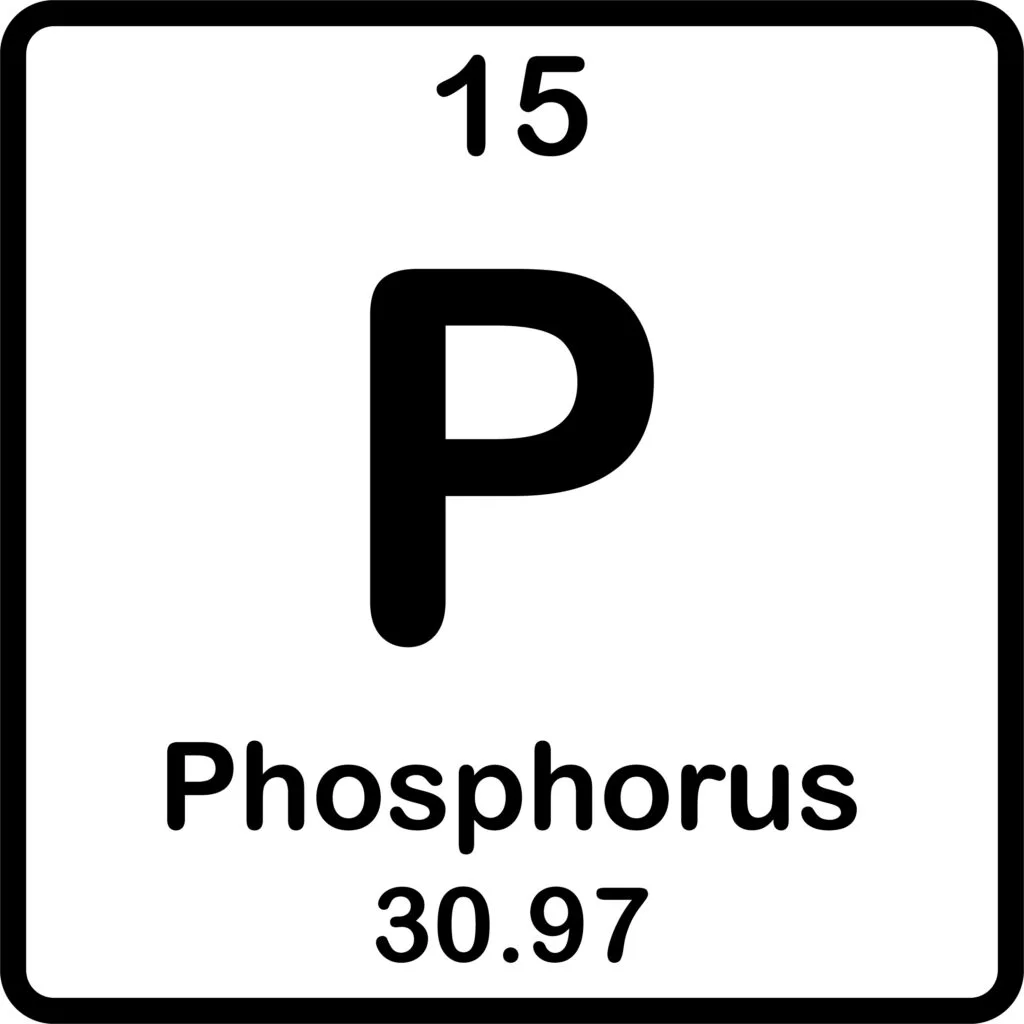
Structure and chemistry of phosphorus FRs
Science update on how phosphorus PIN FRs work, structure, chemistry, toxicity and perspectives. Bob Howell, Central Michigan University, starts by noting that organophosphorus compounds have become prominent in fire safety with recognition of the hazards of organohalogens. The fire safety effectiveness and the toxicity of organophosphorus PIN FRs are strongly dependent on the oxidation state of the phosphorus (from -+5 e.g. inorganic phosphates, phosphate esters, biological organophosphorus compounds such as DNA, to -3 e.g. phosphine). This is explained in detail in pinfa Newsletter n° 170, and see also n°s 171, 175. Compounds with higher P oxidation states tend to decompose at relatively low temperatures, releasing acid at the onset of fire, so contributing to char formation. Those with lower oxidation states tend to decompose at higher temperatures, releasing PO radicals which react with the degrading polymer or act against fire in the gas phase. Lower P oxidation states tend to be associated to lower toxicity. Acids from phosphate esters can promote cationic crosslinking in degrading polymers, so reinforcing char. Functionality can be extended by including different P oxidation states in the same molecule. The author expects future organophosphorus PIN FR developments to centre on organophosphorus oligomers (to limit migration out of polymers), based on non-toxic and biodegradable bio-based compounds for sustainability. Hyperbranched oligomers offer polymer compatibility and many end groups which can be reacted with targeted phosphorus groups (phosphates for solid phase or phosphonates for gas phase activity).
“Controlling the Flammability of Polymeric Materials: Organophosphorus Flame Retardants—Synthesis, Structure, Toxicity, Mode of Action”, B. Howell, Journal of Polymer Science, 2026; 0:1–10 https://doi.org/10.1002/pola.70214
Photo: Shutterstock 2652389353