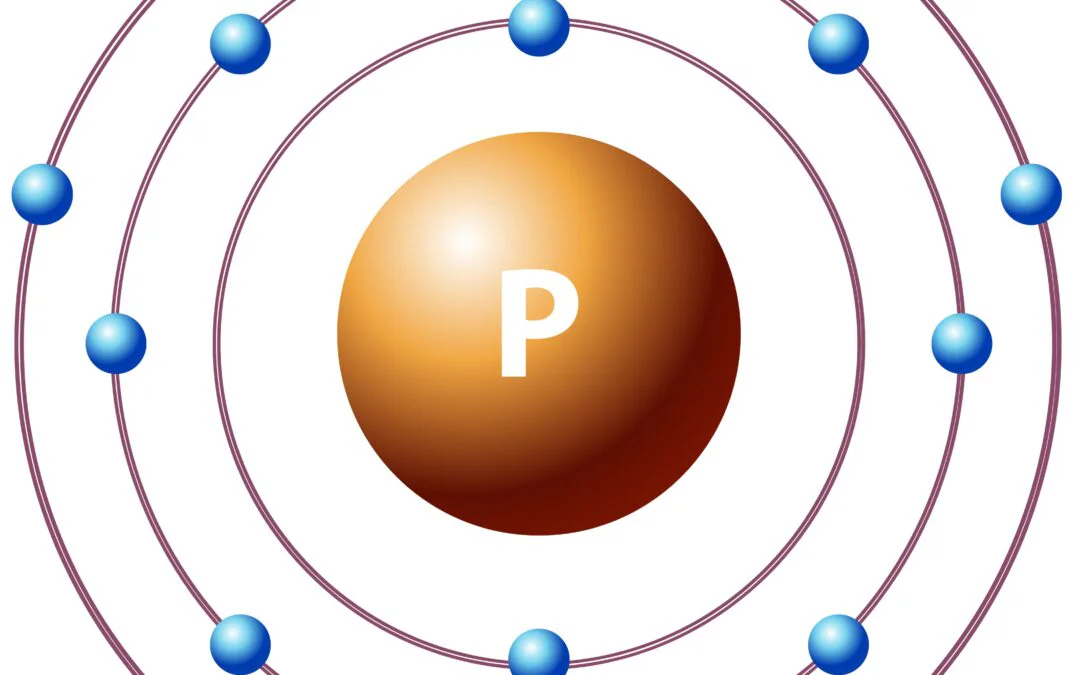
pinfa research mini-review on how valency of phosphorus in PIN FRs impacts flame retardancy effectiveness. With continuingly increasing interest in phosphorus-containing PIN flame retardants as a key solution for fire safety in many applications (electronics,...
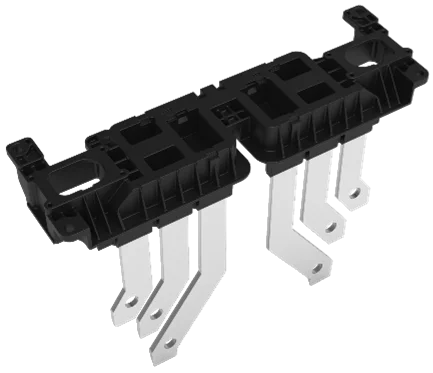
New non-halogenated flame retardant polyphthalamide from BASF (pinfa member) for electrical vehicle terminal blocks. The PPA compound can replace non fire-safe plastics, ensuring high performance electrical insulation and durability in demanding temperatures, in EV...
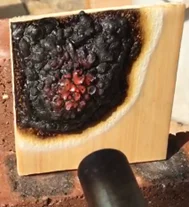
Guangzhou SIO launches non-halogenated flame retardant protective coating for wood, transparent and durable. The silicone-based coating is delivered as a water-based, paint-on viscous liquid, not containing halogenated flame retardants nor solvents. It can cross-link...
Lab study tests encapsulating water into polystyrene foam show UL-94 V-0 (4 mm) with 30% water content. Gel emulsions were prepared by high-speed mixing of water with styrene, hydrophobic silicon dioxide and cross linkers/initiators (EGDMA, TMPTMA, AIBN). This...