Thermal ageing of PIN FR polyethylene for railway applications shows required fire performance lost after 59 days @ 120°C.The tested fibre-filled bio-based (>94% of carbon content) high density polyethylene (HDPE copolymer-1- butene) used a PIN FR package...
Combining P and N PIN FRs for fire and mechanical performance in foamed recycled polyethylene – terephthalate (rPET). Ammonium polyphosphate (APP), aluminium diethylphosphinate and melamine polyphosphate (MPP) were tested. 20% OP achieved UL-94 V-0 (4 mm) and...
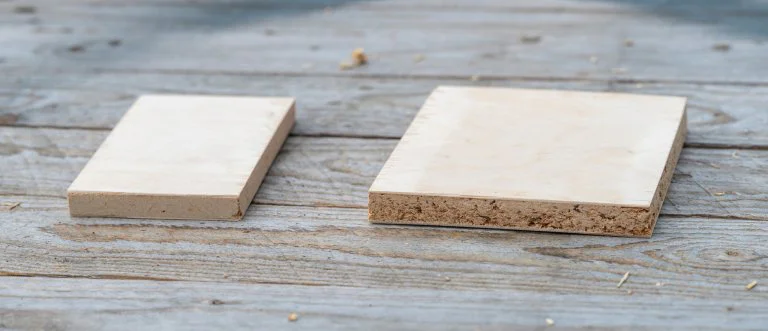
New fibre board process delivers flame retardant wood construction material from low-grade sawmill residuals. NIBIO (Norwegian Institute of Bioeconomy Research) has developed and small-scale tested low-energy processing methods to make low-density fibreboards, from...
Evonik and Hewlett Packard launch innovative carbon black embedded PA12 powder for laser sintering 3D printing. The non-halogenated flame retardant material embeds carbon black in particle cores so delivering colour uniformity, minimising visibility of surface wear...
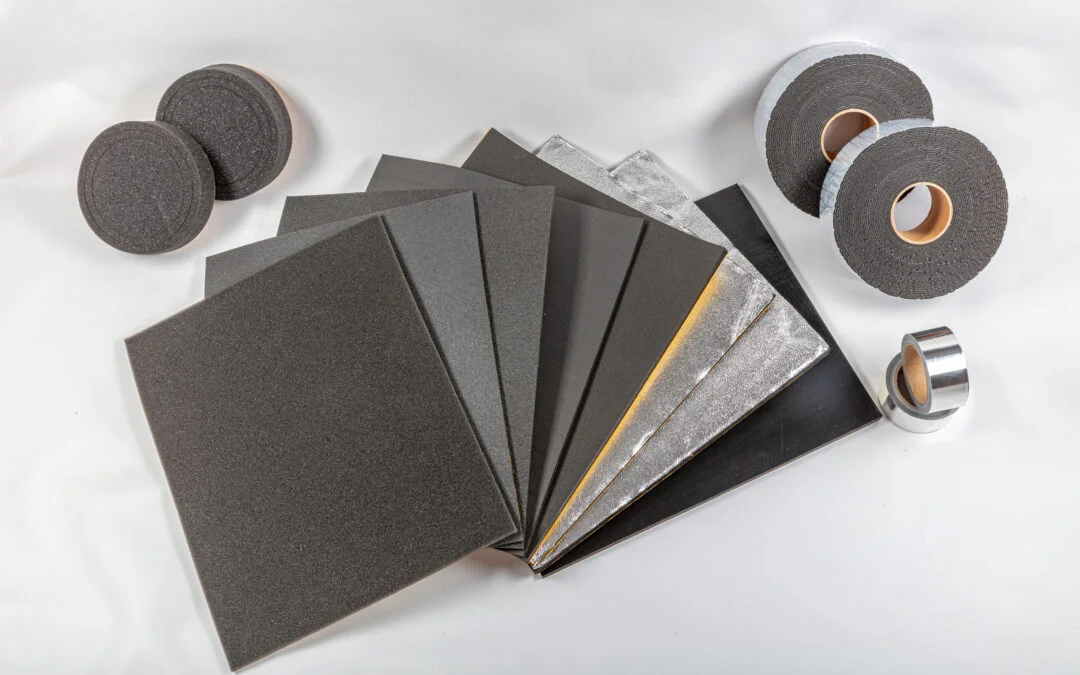
Most new developments and research into flame retardants for flexible PU foams are PIN. Performance challenges remain. Flexible PU (polyurethane) foams are widely used in furniture, transport seats, anti-vibration and packaging materials, but are highly flammable...