Minerals recovered from nickel-cobalt-manganese (NCM) batteries were an effective synergist to APP (PIN FR) in TPU (thermoplastic polyurethane). The NCM battery cathode material was prepared by calcination (to remove binders and solvents) and alkaline leaching (to...
pinfa was active at the 20th FRPM conference, presenting on SSbD FRs and giving best young researcher Awards. FRPM (Fire Retardant Polymeric Materials), took place in Madrid 3-6 June 2025, with nearly 300 participants. Adrian Beard, Clariant, Chairman of pinfa,...
William Blythe (pinfa member) launches new inorganic zinc and tin based synergist and smoke suppressant. The new product is non-hazardous and is based on zinc-tin mixed metal oxide/hydroxide to offer a cost-effective substitute for antimony trioxide. As the primary...
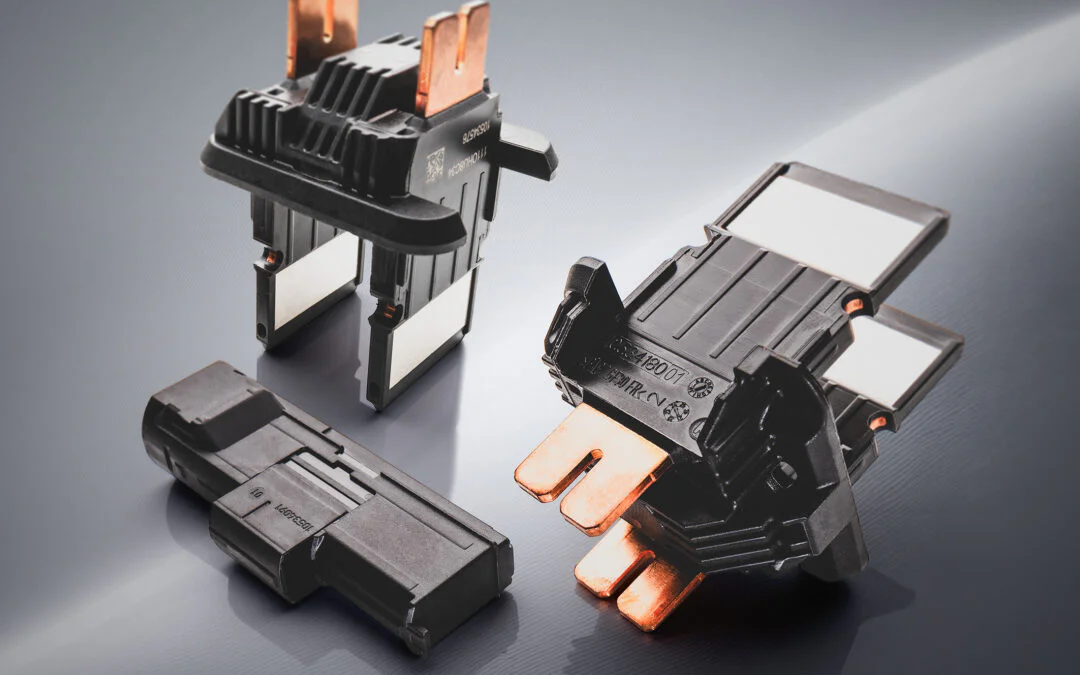
Automotive supplier Kostal Kontakt Systems adopts BASF’s PPA with non-halogenated FR for high current connectors. The new PPA (polyphthalamide) compound is a polyamide 9T with a non-halogenated flame retardant system to achieve UL 94 V-0 down to 0.25 mm, enabling...
Ecobat launches 100% PCR (post-consumer recycled) polypropylene with PIN flame retardants for UL 94 V-0. The material offers density, impact strength, durability and processibility comparable to virgin polymer and is the first 100% PCR polypropylene to offer industry...