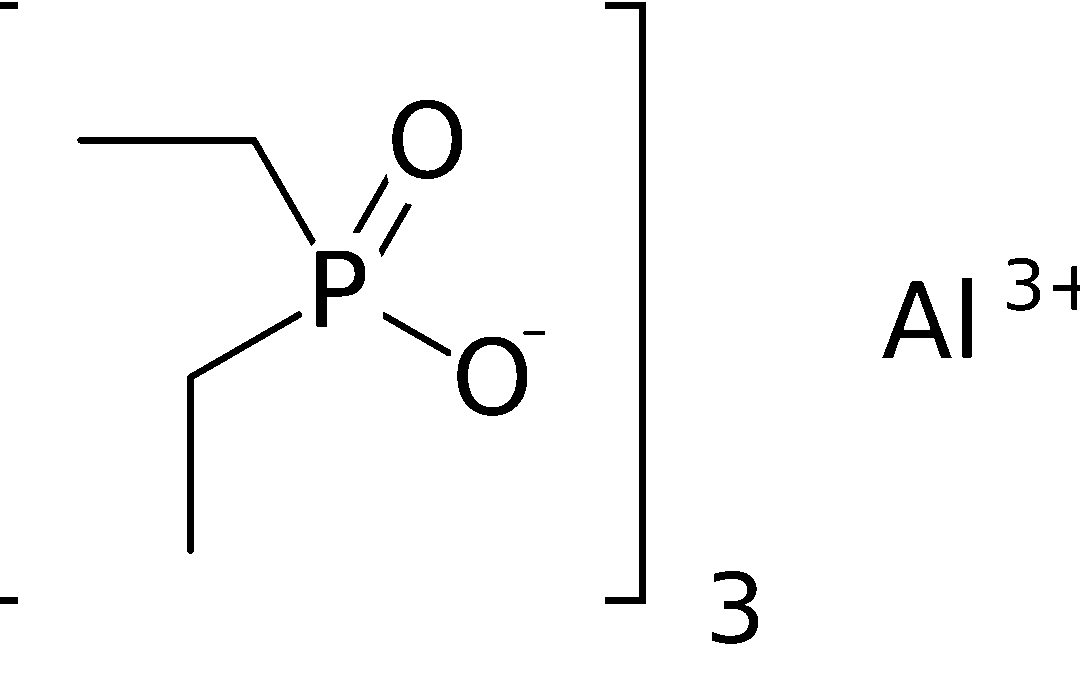
AlPi showed effective fire performance in epoxy resin, achieving UL 94 V-0 (3 mm), including with glass fibre. Aluminium diethyl phosphinate is a recognised and widely used PIN flame retardant in polyamides and polyesters. Here it was tested at 30% loading in DGEBA –...
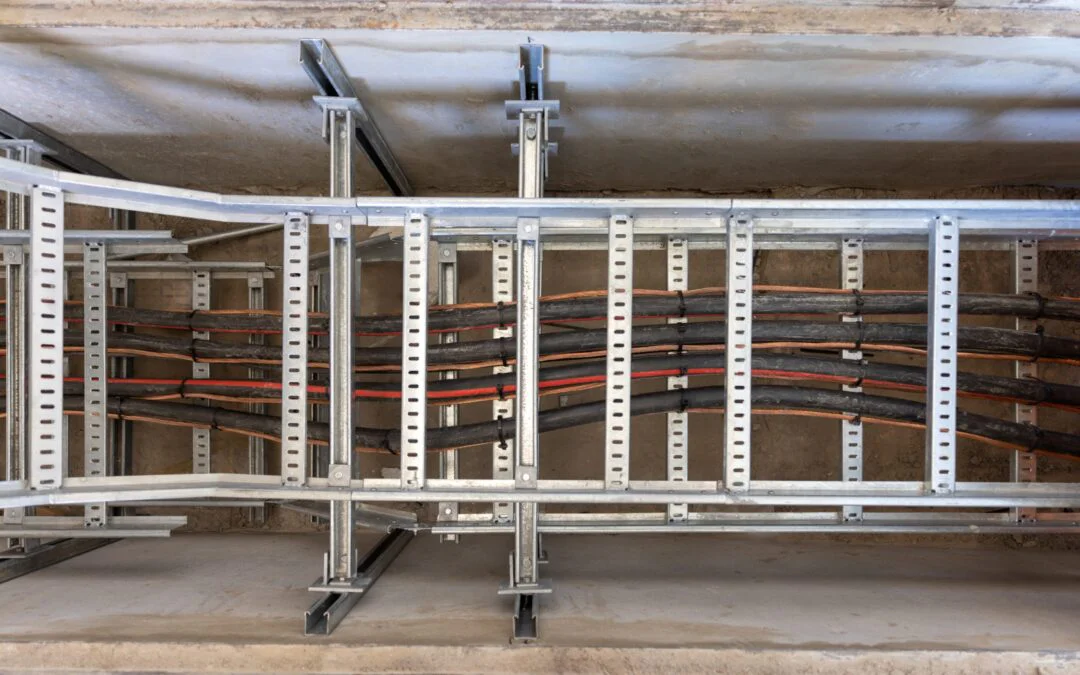
Tests show that aging deterioration of PIN FR cable sheath depends on environmental conditions: heat, water, salt. LSZH (low smoke zero halogen) cable sheath material pellets were supplied by an electrical equipment company in China and were composed mainly of EVA*,...
Siemens residual current circuit breaker uses DOMO’s 50% recycled non-halogenated FR polyamide. The recycled content comes from various post-industrial and post-consumer sources including fibres and textiles. The Siemens SENTRON 5SV3 residual current circuit breaker...
UBE’s 76% bio-origin glycerol carbonate can potentially replace pentaerythritol in PIN intumescent fire coatings. Glycerol carbonate offers low toxicity, low volatility and ready biodegradability and can be supplied by UBE certified 76% bio-origin. It can be...
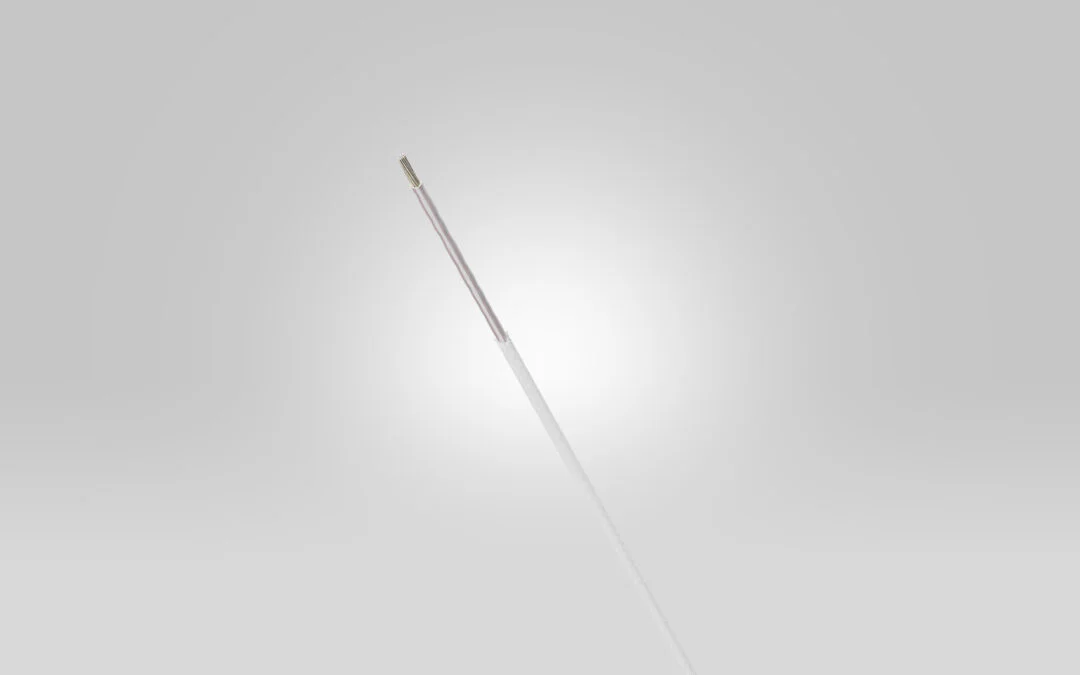
Lapp launches PIN flame retardant cable resistant to 700°C heat for industry applications or consumer goods such as cookers. The cables are designed for continuous temperature exposure up to 700°C. A specifically developed nickel-plated copper conductor is used to...