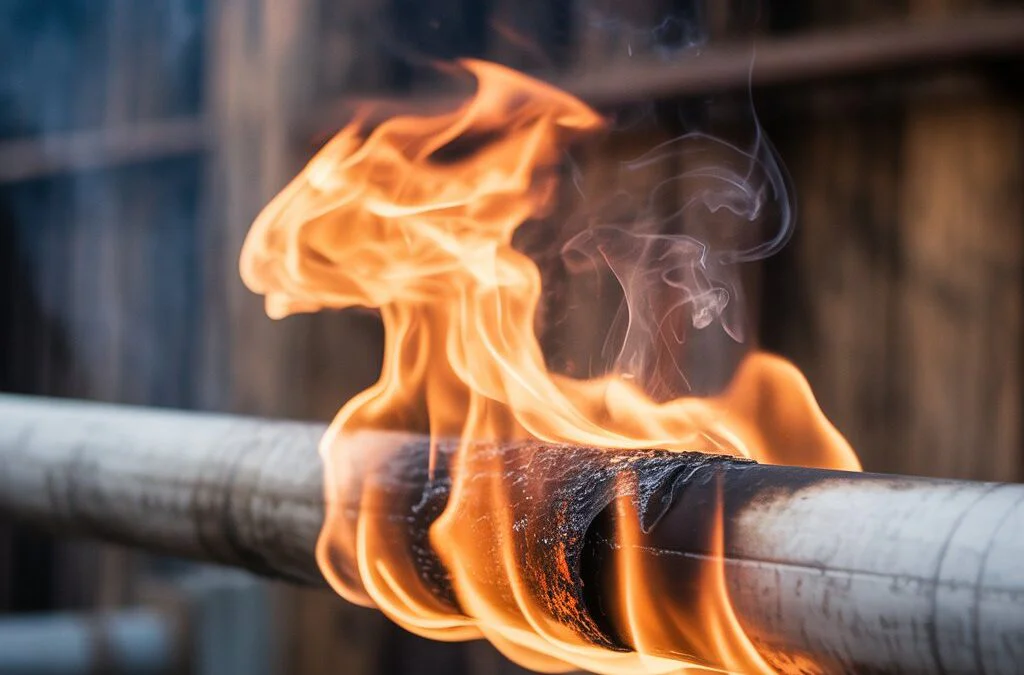
RDC (Italy) launches non-halogen flame retardant masterbatch, without antimony, using synergists from pinfa member Tolsa. The RDC (Rubber Dispersion Chemicals) new Veaflame masterbatch shows reduced peak heat release, low smoke and dense, compact char for enhanced...
UK-based Camira launches non-halogenated fire protected transport interior textile recycled from marine plastic waste. The yarn, created using recovered waste plastic waste, is provided by Seaqual Initiative, a global organisation which pays fairly local collectors to...
CAI Additives launches white PIN FR masterbatches for low-smoke, no-drip UL 94 V-0 performance applications. The PIN flame retardant used is non-SVHC and RoHS compliant and completely replaces ATO (antimony trioxide). The polyethylene terephthalate (PET) and...
PIN compounds are essential to intumescents, used to protect structures (steel, concrete, wood) and cables from fire. Comprehensive review of published research found over 13 000 papers on intumescent coatings, of which over 600 were analysed and over 200 finally...
Phosphoramidate FRs were compared in cotton coatings, with functionalised silane versus orthosilicate. Silica included into the phosphoramidate (as functionalised silane) only showed fire protection synergy at higher loadings, whereas separate phosphoramidate and...